

Theme 8
The natural world
Environmental degradation
Including deforestation
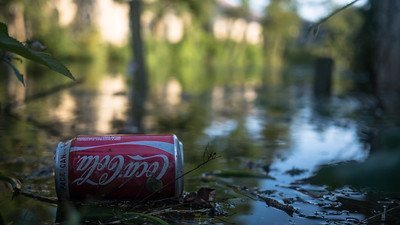
Degradation is the slow loss of what the natural world provides: soil, clean water, clean air and living habitat. Forests show both the damage and the possibility of repair. The FAO’s Global Forest Resources Assessment 2025 found that deforestation has slowed in every region, from 17.6 million hectares a year in 1990–2000 to 10.9 million a year in 2015–2025. Net loss, after planting and natural regrowth, still ran at 4.12 million hectares a year, and about 489 million hectares of forest have been lost since 1990; the largest recent declines in naturally regenerating forest were in Africa and South America.
Slower is not stopped. We ask how far Britain’s responsibility extends to land cleared elsewhere to supply what it buys, and which instruments, from due diligence on supply chains to finance for forest protection, would discharge it.
De-speciation
Our duties to other species
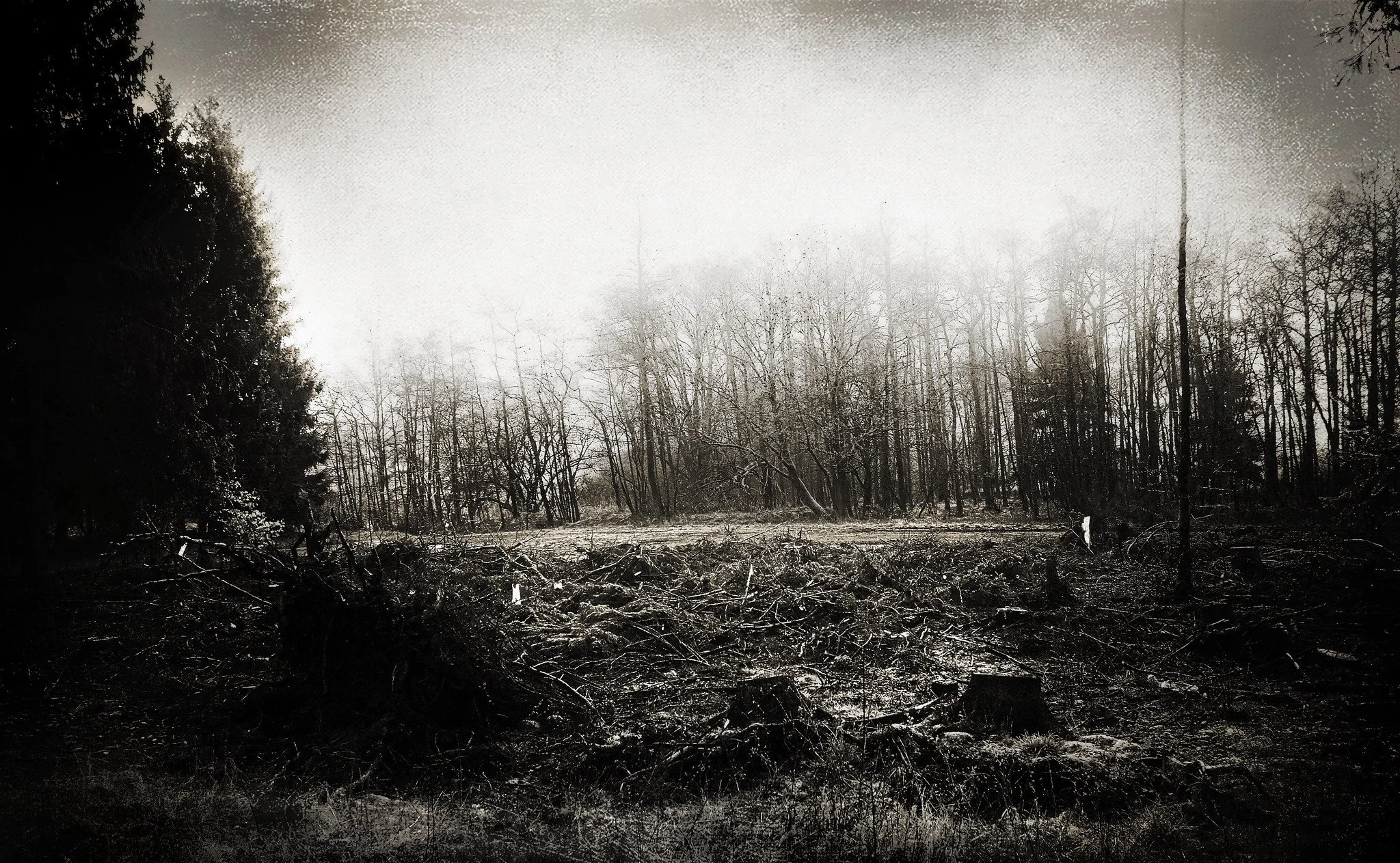
The IPBES global assessment of 2019 found that around a million animal and plant species are threatened with extinction, many within decades, more than ever before in human history; more than 40% of amphibian species and almost a third of reef-forming corals are threatened (IPBES 2019). Extinction is irreversible, and that alone gives it moral weight.
But duties to other species do not rest on their usefulness to us. British law now recognises as sentient all vertebrates other than humans, together with cephalopod molluscs such as octopus and squid and decapod crustaceans such as crabs and lobsters, and has established an Animal Sentience Committee to report on whether government policy has due regard to their welfare (Animal Welfare (Sentience) Act 2022). We hold that the capacity to suffer creates a claim on us, and that stewardship of the habitats on which other species depend is an obligation of a civilised state, not a luxury of a prosperous one.
The greenhouse effect
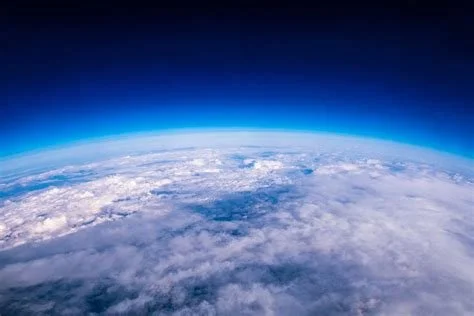
The physics is old. Joseph Fourier compared the atmosphere to the glass of a hothouse, which lets through the light of the sun but retains the heat radiated from the ground. John Tyndall measured the absorption of heat by water vapour and carbon dioxide. In 1896 Svante Arrhenius built on that work to calculate how the Earth’s surface temperature would change if the concentration of “carbonic acid”, as carbon dioxide was then called, fell to two-thirds of its level or rose to double or triple it (Arrhenius 1896).
The effect itself is natural. The problem lies in its intensification: the IPCC finds that the increases in greenhouse gas concentrations since around 1750 are unequivocally caused by human emissions (IPCC 2023).
The nature & extent of anthropogenic climate change
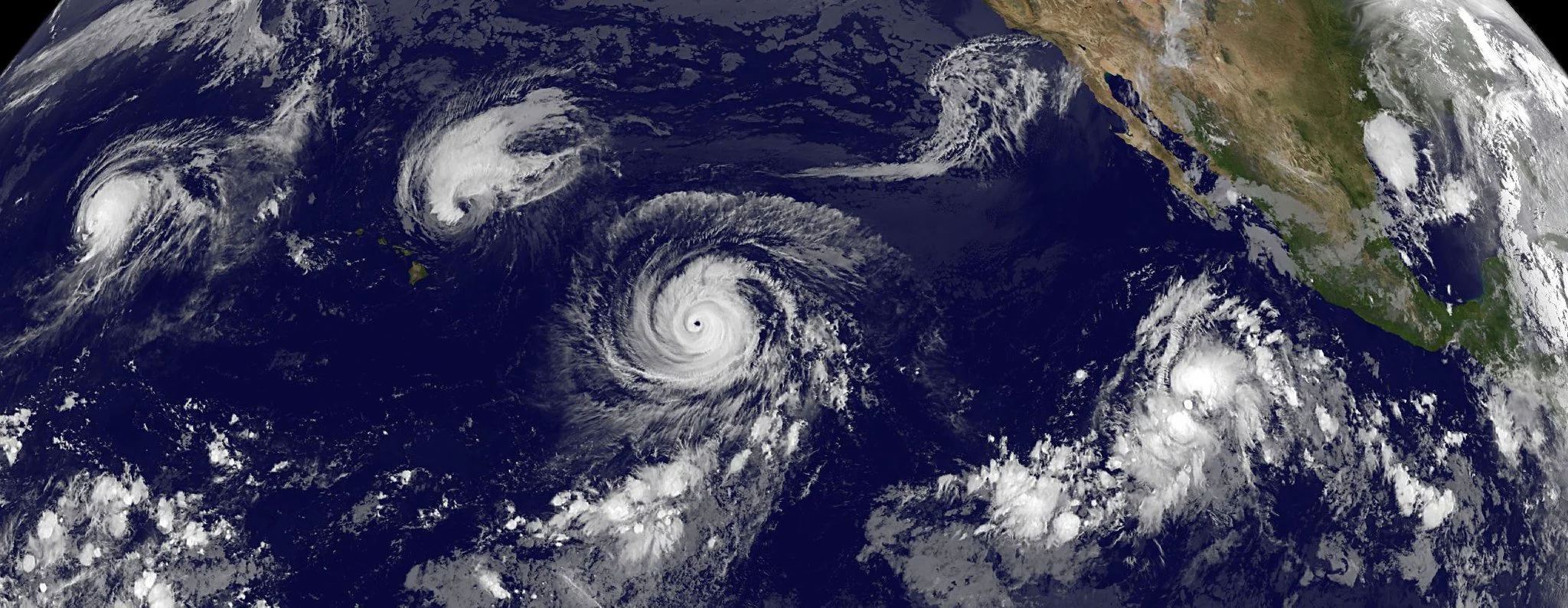
The IPCC’s Sixth Assessment concluded that human activities, principally through emissions of greenhouse gases, have “unequivocally caused global warming”, with global surface temperature 1.1°C above 1850–1900 in 2011–2020 (IPCC 2023). The warming has continued. The WMO judged 2024 the warmest year on record, at about 1.55°C above the 1850–1900 average and likely the first calendar year above 1.5°C; long-term warming, averaged over decades, was estimated at 1.34–1.41°C (WMO 2025).
A single year above 1.5°C does not mean that the Paris goal has been missed, since that goal is measured over decades. The question for policy is no longer whether the climate is changing, but how much more it will change, how quickly, and at whose cost.

Scientific consensus
Consensus in science is not a vote; it is the convergence of independent lines of evidence. On the human cause of modern warming the convergence is near complete. A survey of 88,125 climate-related papers published between 2012 and 2020 found agreement exceeding 99% that contemporary climate change is caused by humans; an earlier study had found 97% for the literature of 1991–2012 (Lynas, Houlton and Perry 2021).
Consensus on the cause does not settle the policy. Estimates of the costs of warming, of the pace at which economies can decarbonise, and of the right balance between cutting emissions and adapting to change remain properly contested. We propose that public debate start from the settled science and concentrate on these open questions.
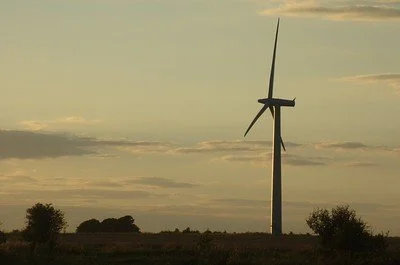
Reducing combustion of carbon
Britain has shown that deep cuts are possible. The Climate Change Committee reported that UK greenhouse gas emissions in 2024 were 50.4% below 1990 levels, most of the reduction coming from the power sector; emissions fell a further 1.8% in 2025. On 30 September 2024 Ratcliffe-on-Soar, the last coal-fired power station, closed, ending 142 years of coal-fired electricity in Britain.
The easier part is done. In 2025 the Committee estimated that 39% of the reductions required by 2030 were not adequately backed by policy; the remaining cuts must come from heating, transport, farming and industry, where the costs fall directly on households and firms. The figures also count only emissions produced in Britain: emissions associated with imports rose by 80% between 1996 and 2022, according to a government report.
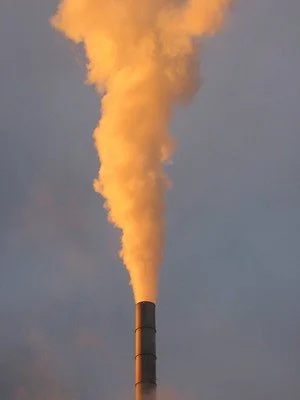
Too much greenhouse effect
The concentration of carbon dioxide in the atmosphere reached 420.0 parts per million in 2023, 151% of its pre-industrial level and the highest for at least 800,000 years (WMO 2025). More carbon dioxide traps more heat, and more heat brings more extremes. The IPCC finds that every increment of warming intensifies multiple and concurrent hazards, and that the probability of low-likelihood outcomes with very large adverse impacts rises as warming increases (IPCC 2023).
For policy the implication is that mitigation and adaptation are not alternatives. Even if emissions fall as planned, Britain will need defences against heat, flood and drought, and institutions that share their cost fairly.
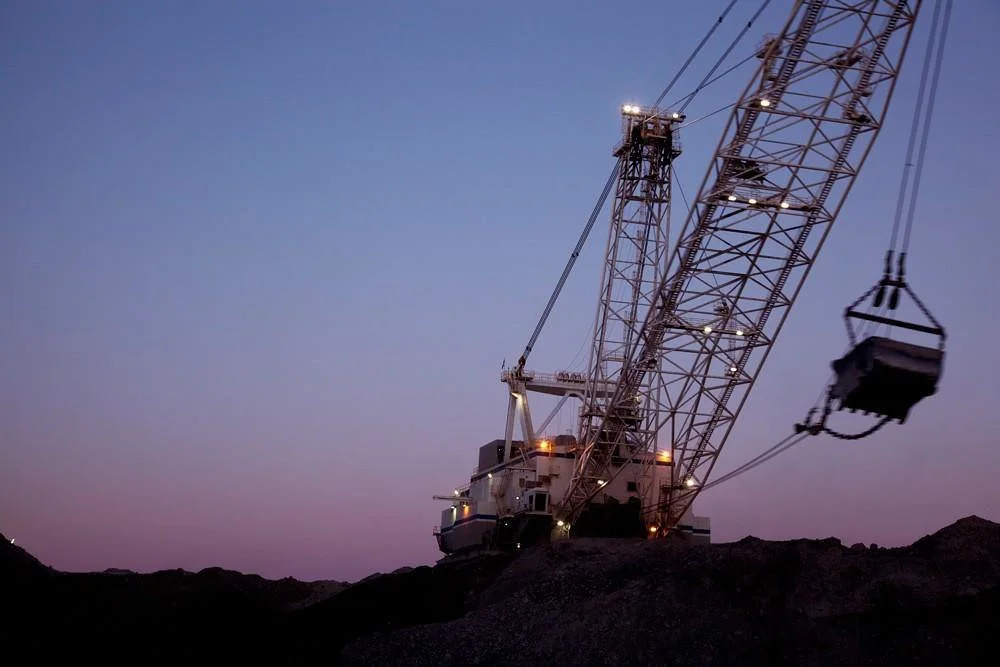
Natural resources
What counts as a natural resource, who has a right to it, and who bears the cost of taking it? We examine the extractive industries and the cost of remediation; riparian rights, where water rises in one state and is needed in another; shared and common resources; and the legacy of colonial extraction.

Institutions and the natural world
Most environmental damage is a failure of institutions rather than of knowledge. Garrett Hardin’s “tragedy of the commons” implied that shared resources would be exhausted unless they were privatised or controlled by the state. Elinor Ostrom showed in Governing the Commons that many communities had instead devised their own rules to manage forests, fisheries and water sustainably, and identified the conditions under which they succeed; in 2009 she shared the Nobel Memorial Prize in Economic Sciences (Ostrom 1990).
At the global scale no such community yet exists. The Paris Agreement of 2015 rests on nationally determined pledges, and the United States left it with effect from 27 January 2026. We ask which institutions, local, national and international, can align private incentives with the common interest in a stable climate and a living natural world.