

What is a natural resource? And why does that matter?
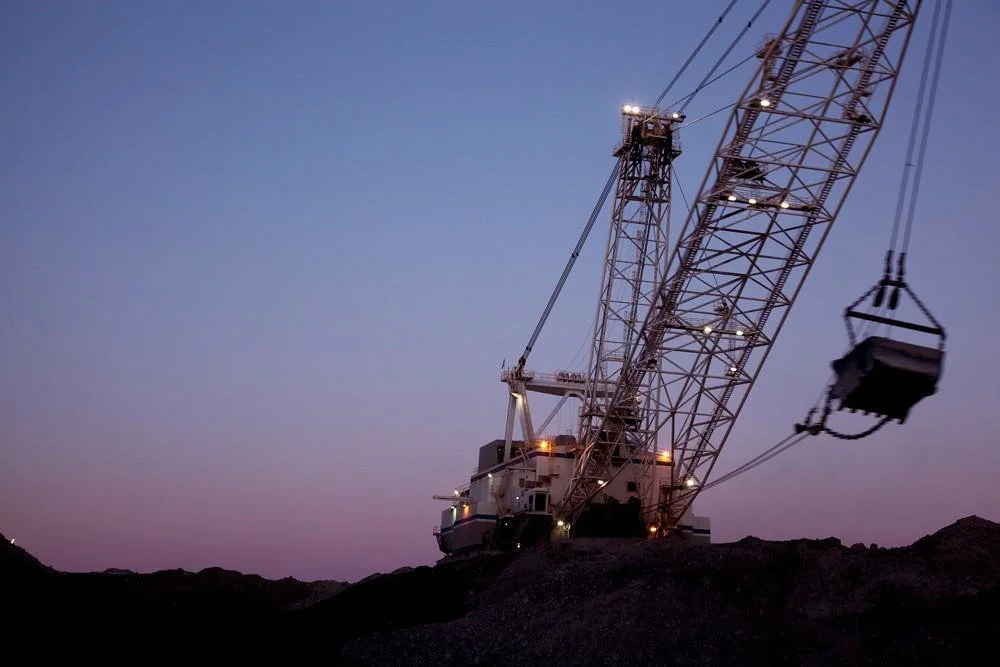
Extractive industries
Extractive industries are frequently portrayed as exploitative. They may be or they may not be, depending on resource rights, charges, remediative measures and a nost of other issues. Simply digging large holes in our natural environments and leaving them for posterity is no longer acceptable. We must conisder lifecycle costs of extraction, remediation and repair.
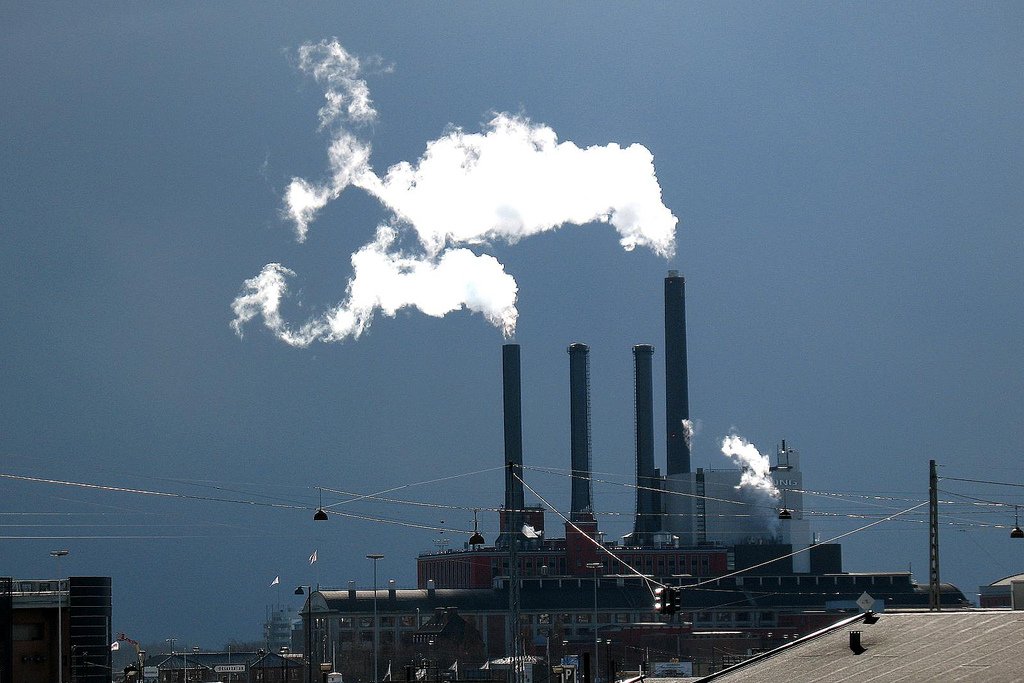
Why we need greenhouse gases and what that tells us
Without the greenhouse effect, live on Earth would be impossible as the planet would naturally sit at around -30 deg.C. However, the benign climatic environment we have enjoyed throughout human history (to a greater or lesser extent) occurred naturally, before the widespread human combustion of hydrocarbons to satisfy our energy needs. We cannot continue as we have since the dawn of the industrial error. So what must we do?
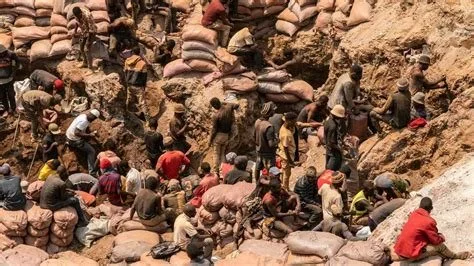
The problematic legacy of European colonialism
Throughout the colonial period, resources of the colonised regions were plundered and the peoples of those regions exploited by colonisers with superior technologies and disciplines of social organisation. The legacy of colonisation ranges from negotiation and accommodation to genocidal destruction. In the more resource-rich parts of the world, local populations have had the resources of their native lands plundered or appropriated and local populations have often been displaced, especially by the European assumption of terra nullius. What is the obligation of the former colonisers to the descendants of the colonised? And how can the undoubted benefits of modernity be considered? Is there a universal formula for prescription or it each case sui generis?
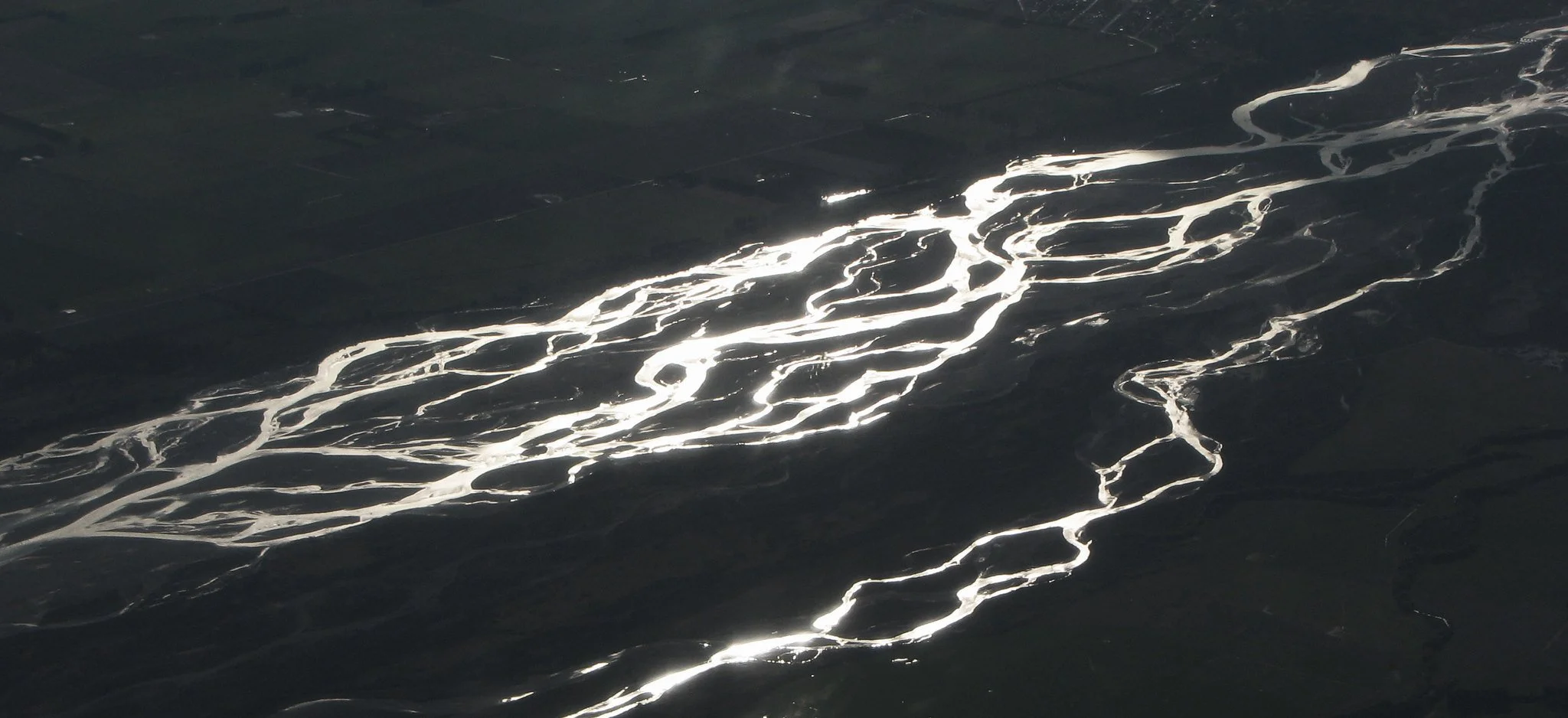
Riparian rights
No living thing can survive indefinately without water. Certainly, it is essential to human and all mammalian suvival. Yet many regions depend, for that survival, on water that is controlled upstream by other states who are not necessarily sympathetic to their downstream neighbours’ plights. Nowhere is this more crucial that the meltwater from the Tibetan plateau which is the water source for, literally, more than a billion people. How can we ensure that access to such resources is secure?
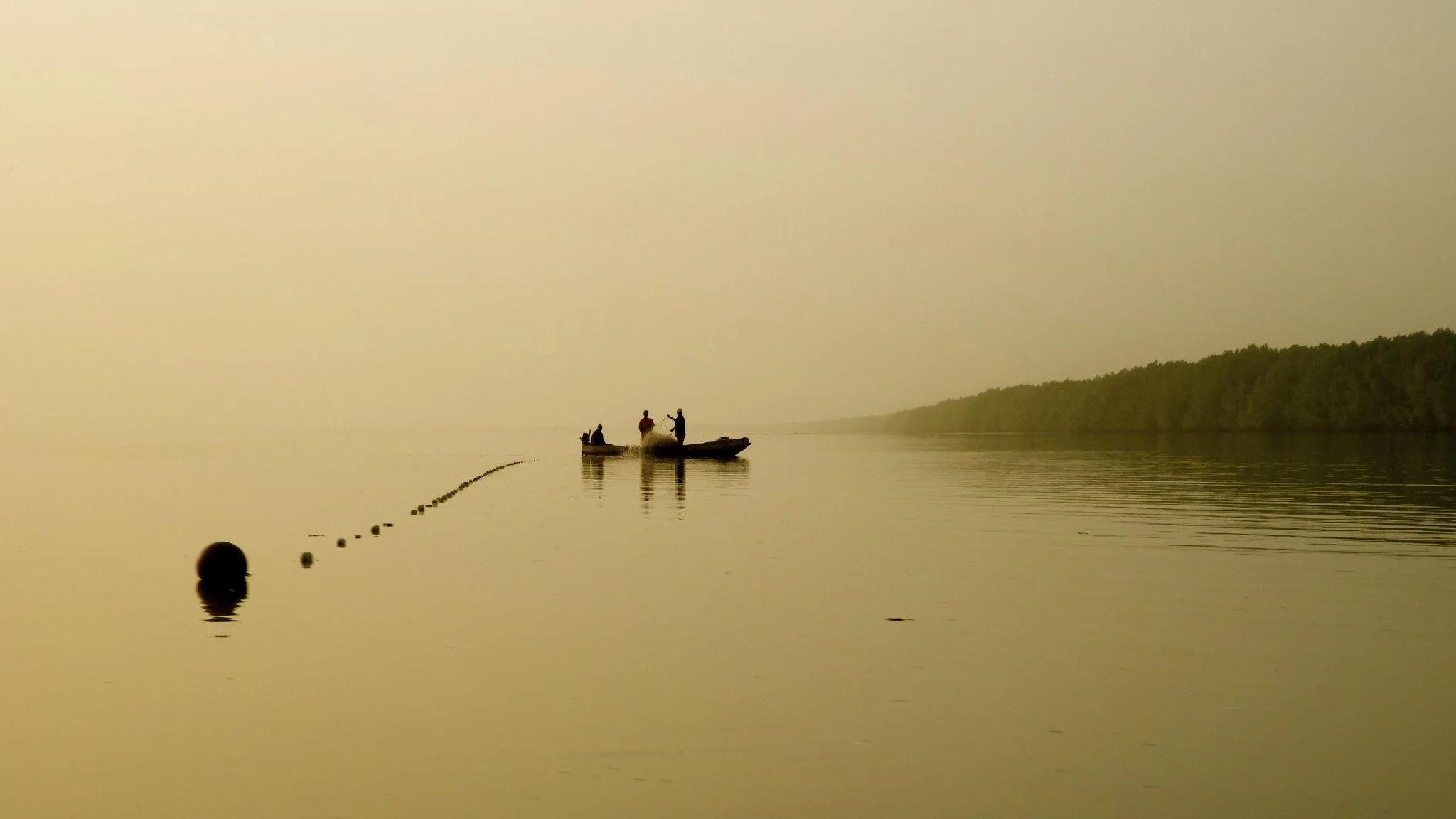
Shared, joint & common resources
While Nobel laureate Elinor Ostrom demonstrated there can be sustainable private solutions to sharing joint or common resources, unfortunately these are the exception rather than the rule. Unpriced private despoilment of the atmospheric commons is a pressing issue that we can no longer afford to avoid.
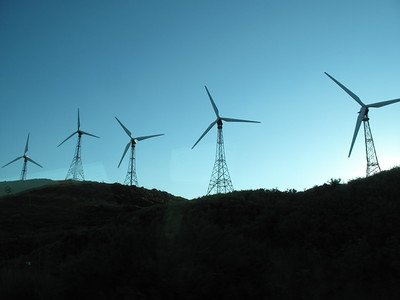
Net-zero emission of greenhouse gases
Can the human species achieve ecological balance with our natural environment such that global mean temperatures are sustained within a benign range for human habitation and preservation of other species of fauna and of flora? To do so will require a wholesale change of mindset and of governance of resources globally. What might that look like? How could we achieve it? Who would be the winners and losers and how can we, collectively or through market mechanisms, ameliorate the impacts for the losers?
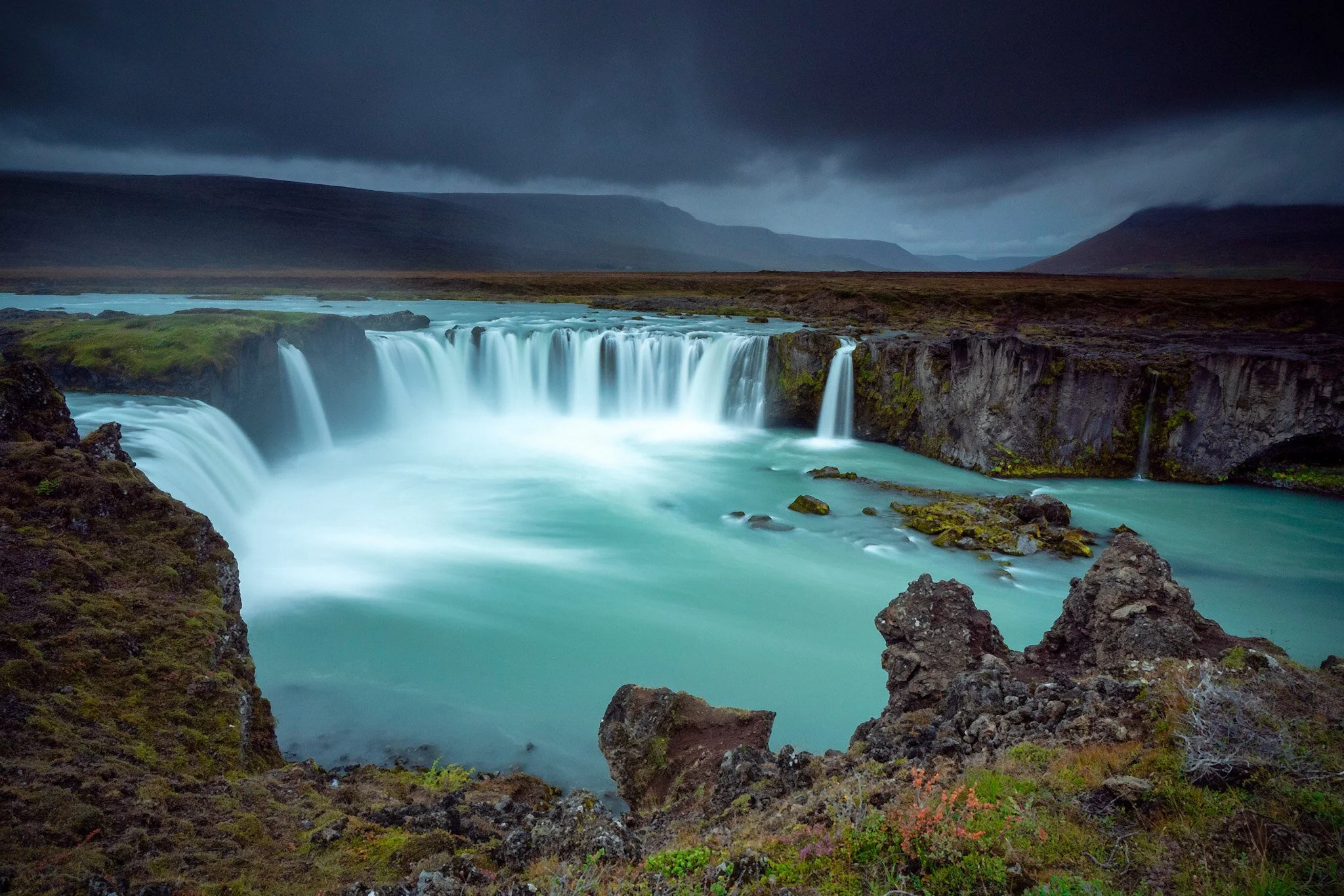
Geographic endowments
Resources are naturally distributed geographically, giving benefits to the countries that are naturally endowed. The countries or landholders that own the resoources did nothing to earn or deserve them, but clearly benefit from their use or extraction. How is that just? Or is it just realistic?

Ownership
While ownership of resources is seldom a topic of debate, it is enormously consequential. Who owns water, when it falls freely from the sky? Who owns the land on which it falls and from which it drains and should they be rewarded for ownership of the catchment? We have largely lost sight of these questions today, but they matter.