

Social policy
Where all (or most, anyway) of the money goes

Education policies
Not only is education a vital aspect of people’s life chances, it is essential to a vibrant society and for prospects for individual change and social adaptation. How we fund and deliver education as well as whom we educate, when and about what are all matters that require constant review. And we badly need some new ideas. Or do we?

Drug policy & addiction
Presently, UK law makes drug users criminals. Undoubtedly some are. Others have been forced to become so by their addiction and the criminalisation of supply. The approach is neither humane, nor rehabilitative. Almost worse, it is neither effective no preventative. While drug use and, especially, addiction is clearly undesirable, it need not entrap those afflicted in a criminal environment as well as in dependence. We need to find a more humane and constructive approach that minimises rather than rewards criminality and crime.

Welfare policies
In the UK, transfer payments absorb around 22.5% of the Government’s total managed expenditure. While payments to pensioners are now broadly similar to their 1978 level, payments to working-age beneficiaries and children were around 10.2% in 2023, up from 8.5% in 1978-9 but down from a peak of 14.9% in 2008-9. More importantly than the numbers are the individual and social effects of the policies that drive the numbers. The structure of welfare in the UK is labyrinthine, widely creating perverse incentives, thus trapping beneficiaries in dependence on welfare and limiting ambition, opportunity and scope for action. A simpler, clearer, more rational approaches to selfare and to social security is desperately overdue.
Animal welfare policies
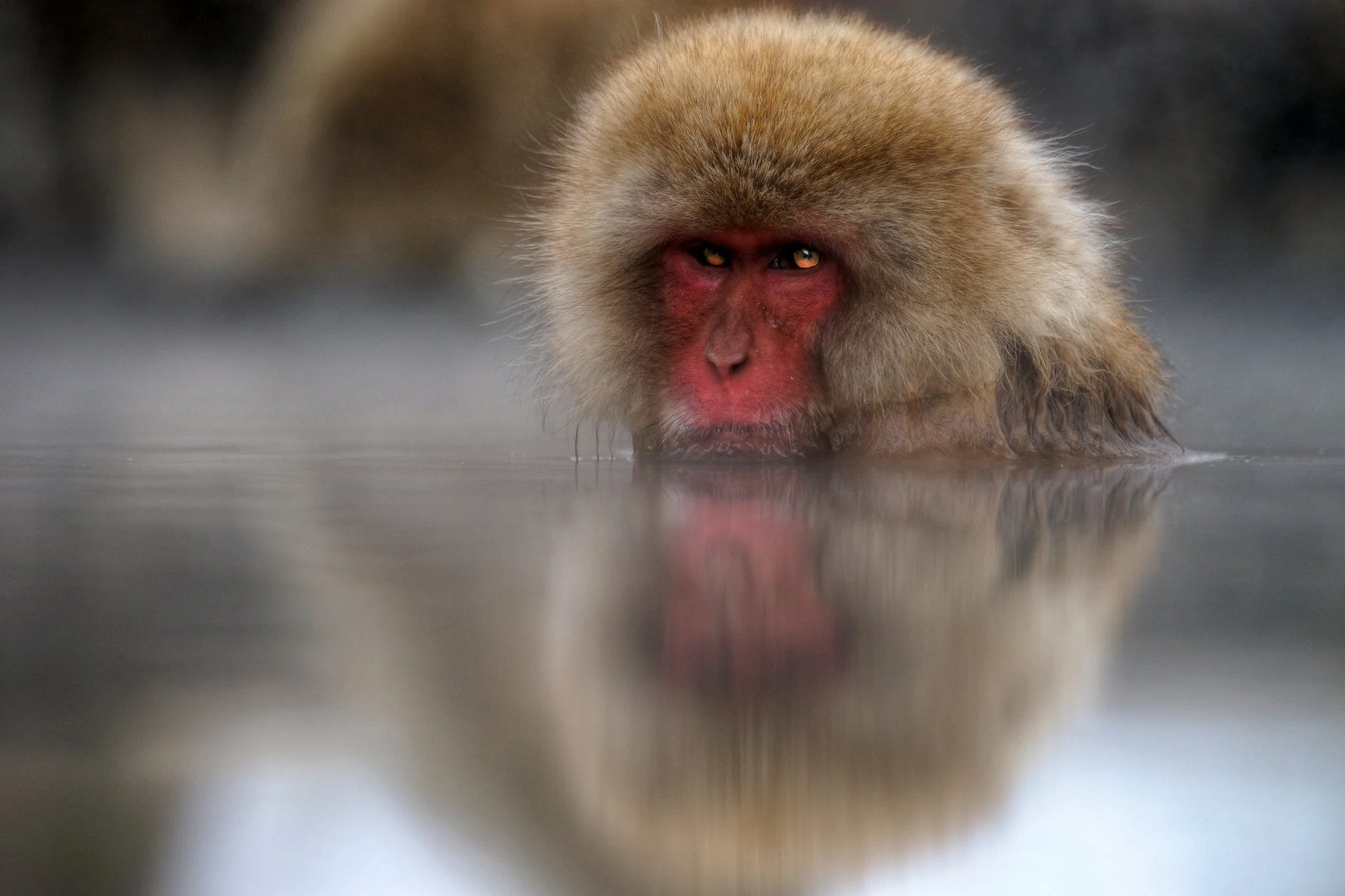
Despite thousands of years of settled civilisation, humans are yet to appreciate the significance of their roles as apex predators with consciousness and the capacity for conscience it implies, at least in relation to other species. We must accept our active duty to preserve, protect and sustain other species and to treat them humanely. This extends to both wild and domesticated animals whose mistreatment must be viewed as comparable to mistreatment of other species, such as humans.

Health policy
Health is not only a big deal, it is big business, consuming 18.3% of the government budget in . Of late, it feels as though the perennial problems of the UK’s NHS have proliferated. We examine policy issues in health in search of a more robust and effective system, starting with ‘what is the NHS?’ — a deceptively simple question.

Care for the aged
The state of care of the aged in the UK is poor and declining. It is caught in a political log-jam driven by scarcity of funds, immigration restrictions and a failure of political will to address the searching, long-term funding issues involved. Meanwhile, the state of that sector impacts directly the health sector and immiserates tens of thousands of people who deserve more dignified and more comprehensive care. This deficit transfers enormous care responsibilities to families (usually to women), straining relationships and finances. There has to be a way through the impass.