
Migration policy & immigration
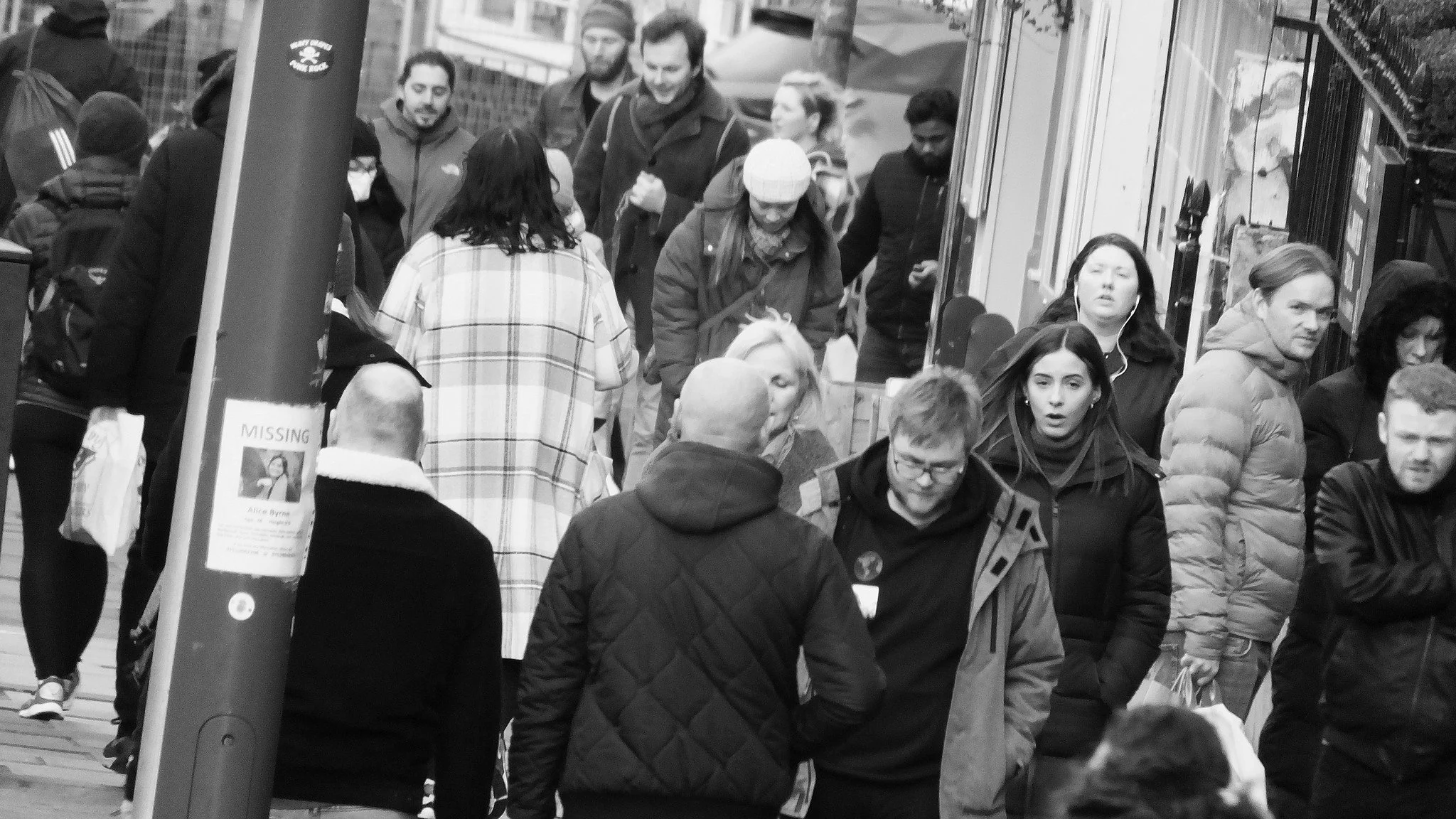
There seems to be no other topic that inflames the passions in quite the same way.
Is it racist to be opposed to immigration, or is it merely practical?
Is racism a natural human response to difference?
How much immigration has there been, when and from where?
Does Britain have any obligations to former colonies? How about the formerly colonised?
Can ‘multi-culturalism’ exist? Is it a strength of a pluralist society or is it destroying Britain?
What is the difference between refugees and economic migrants?
How many potential immigrants are there, and why?
Can and should immigrants be expected to integrate with British society, with its norms and values? What are its norms and values? If yes, how can government encourage integration? Is separatism a problem? How big a problem? What is anti-radicalisation? Can it work? Does the ‘Tebbit test’ still apply?
What will be left of the traditional British way of life, of our customs and institutions? Does it matter?
How do we identify and deter the enemy within? Why are migrants strangely susceptible to radicalisation or criminalisation? Are they strangely susceptible to those phenomena? If so, how do we break those cycles?
Are such debates racist?
How do we make sure that we can hold such debates without being ‘cancelled’?
Leicester in troubled times
In 2008, Leicester experienced a remarkable and unnoticeable transformation. In that year, Leicester became the first majority non-white city in the UK. Much of the immigration to Leicester was from South Asia — from east to west: from Bangladesh (formerly East Pakistan), India, Sri Lanka and Pakistan. The heavens didn’t cloud over (at least, any more than usual), bolts of lightning didn’t fill the sky, nor did the sky fall on the heads of Leicester’s increasingly diverse population. None of these ‘omissions’ is surprising.
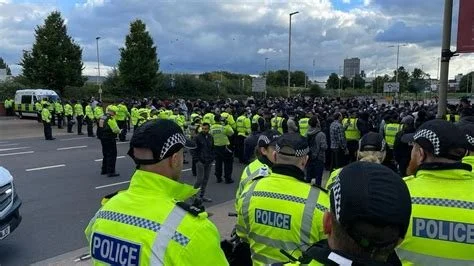
However, in 2022, Leicester experienced clashes between men from these communities. On 28 August in Dubai, India and Pakistan played in the first Pool B game of the 2022 T20 (not real cricket) Asia Cup. In that game, India won by 5 wickets. In the Leicester suburb of Belgrave, enthusiastic India supporters spilled out in the streets to celebrate. And then the fights started. However, a signficant proportion of the Muslim population of Leicester are of Gujarati origin, suggesting they would not have been supporters of Pakistan cricket.
Rioting occurred sporadically over the following month in clashes between Hindu and Muslim men. Mainly orchestrated using social media, online messaging appears to have included unsubstantiated assertions of links to hindutva groups in India.
More than any other event in the last two decades, these riots and the circumstances in whcih they occurred must awaken awareness of the need to revisit how the political this country consistenly abrogates its responsibility to address the problems of integration of immigrant groups.
The sky may not have fallen in Leicester, but nor does the penny seem to have dropped in Westminster or Whitehall.
Colonial reversal
Many Brits, especially those of a more (small c) conservative hue, are incensed by the levels of immigration to Britain. Most immigrants to the UK come from the formerly colonised countries of what is now the Commonwealth. Many of these immigrants are from Canada, Australia. New Zealand of South Africa. Many more are from the former colonies of pre-partition India, or Ceylon, from the former East African colonies and from the former colonies of the Caribbean and from the Niger delta region and surrounding coast.
The people who fcome to the UK from where they live (with the exception of the Indian diaspora expelled from Uganda) do so freely in search of a better life. They are reversing the British migration to their original homes (involuntary, often, in the case of Australia until 1868).
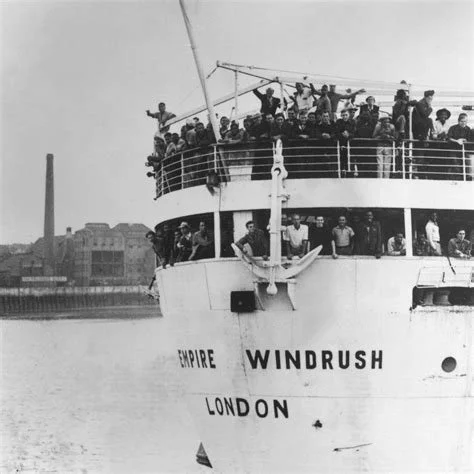
The treatment of non-white immigrants from these lands has not always been friendly, either officially (the Windrush decendents as a case in point) or casually. Overt racism has never been far from the lives of non-white immigrants; more surreptitious forms of prejudice has affected many of their lives at almost every turn. Yet they persevere.
While there is a checkered past, the future offers hope of improvement. Viewing the reversal of migration from the UK’s former colonies could be thought of as the ultimate compliment.
At least, that’s one way to look at it.
Is a multi-cultural society viable?
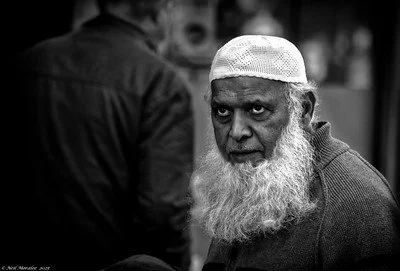
In history, genuine multiculturalism is vanishingly rare. While Rome accommodated many ethnicities, all lived as Romans. Earlier customs gave way to the customs of the great imperial city.
Under colonial conquests throughout history, the colonised cultures have typically adopted the culture of the dominant coloniser, at least in a segment of their societies. Colonisers have often singled out one culture or ethnicity or tribe to be their colonial manpower, subduing other subgroups with whom they previously enjoyed balanced relations, or at least relative stasis. This ‘playing favourites’ has had disastrous consequences following European decolonisation, particularly in Africa.
The vast subcontinent of India was, prior to European colonisation, a multi-religious country environment in which Islam, Hinduism and Sikhism, along with many dervative sects and other break-away faiths, some of ancient origin. co-existed. However, with the exception of the introduction of Islam during the Mughal invasion in
Perhaps the best historical example is the cultural variety in the region modern Turkey under the Ottoman Empire. The Western Roman Empire had disintegrated following the Sack of Constantinople during the fourth Crusade of 1204.
The US, a haven of polyglot multi-ethnicity, where pressures of enculturation are strong and acculturation expected, there remain pockets of immigrant populations that have declined to adapt their lifestyles and customs to the perceived cultural norms.
In the UK, many immigrants have integrated into the dominant and domicile culture relatively easily, having been brought up with exposure to British customs, albeit through a colonial lens. However, not all cultures assimilate as readily.
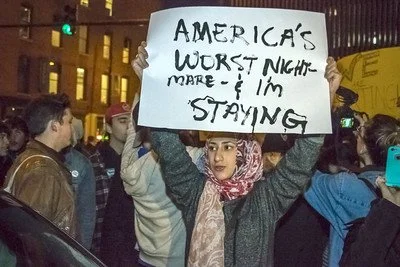
From somewhere or from anywhere?
In his 2017 book The Road to Somewhere: The Populist Revolt and the Future of Politics, Prospect founder David Goodhart distinguishes between those whose identify is defined by place (‘form somewhere’ and those defined by achievement (‘from anywhere’), or perhaps more accurately, what they have done. It is an interesting distinction and one that bears on the experience of migration. Any migrant is necessarily from somewhere else — somewhere other than where he or she now resides. In that sense, the migrant may feel as thought he or she is from anywhere, is defined by his or her actions. Being feel defined by place would mean being either from somewhere else or as for not-here.
This becomes most interesting, of course, when members of Goodhart’s the two groups consider people in the other group.
To the ‘somewheres’ who regard place as defining, the immigrant is defined by his or her being from elsewhere. To the ‘somewhere,’ he local ‘anywhere’ has rejected or abandoned the allegiance to place and many will find this a repudiation of their ‘somewhereness;’ of their sense of belonging.
To those who are ‘anywheres’ in Goodhart’s terms, the ‘somewheres’ appear less wordly, even when the ‘anywhere’ may envy their sense of belonging. This will be hardest for those who were ‘somewheres’ but, for whaatever reason, had to leave what they regarded as their place of belonging.
There is a clear limit to the insights one can draw from the distinction. The most interesting is the thought experiment of trying to walk in the shoes of someone from the other group.
But then that is always the most interesting and challenging thing to do. It is also the beginning of understanding, empathy and compassion. Of those who try it, who develop and exercise such ‘moral sentiments,’ Adam Smith would be proud.
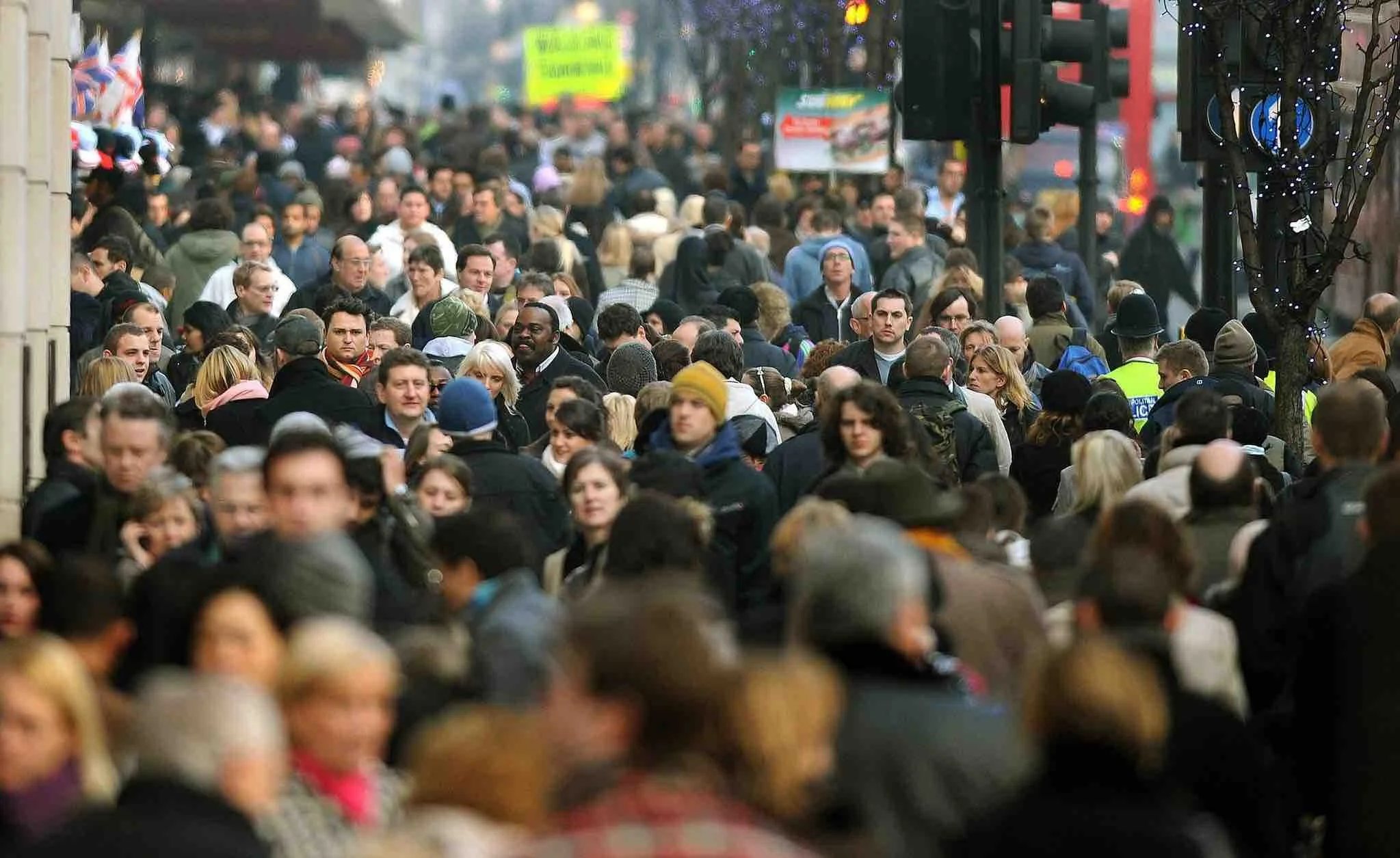
How many is too many?
Text
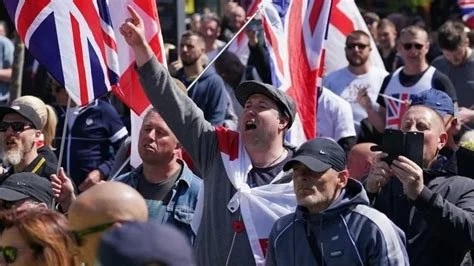
Perceived loss of identity and the rise of populist nationalism
Text
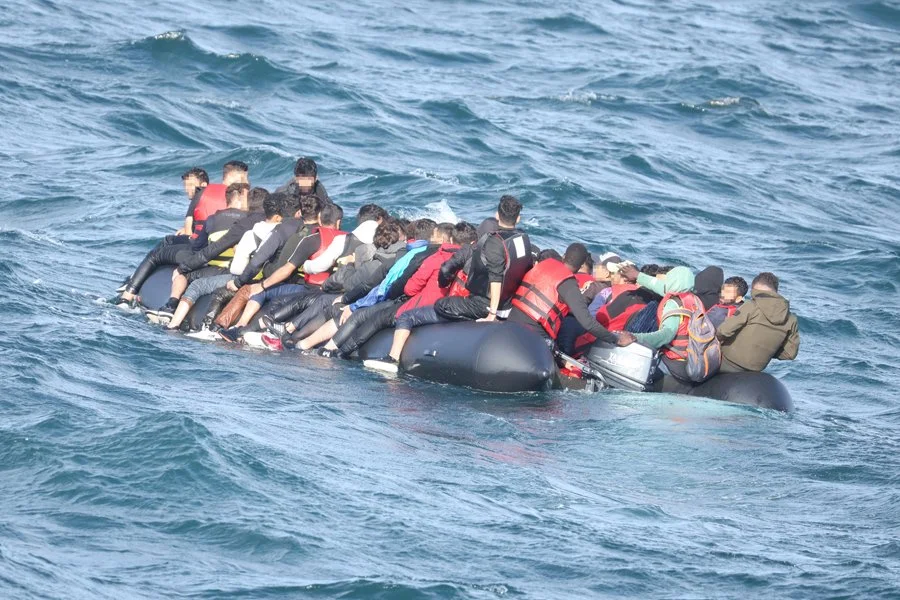
Stopping ‘the boats’
Text
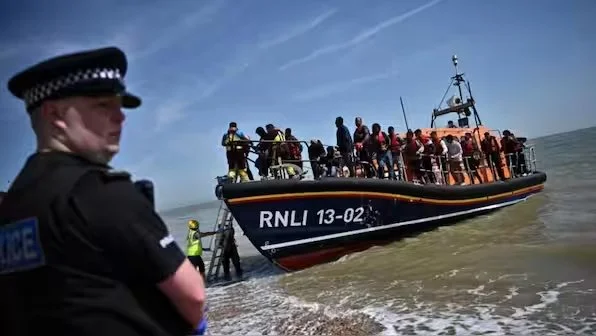
The perils and danger of migration
Text
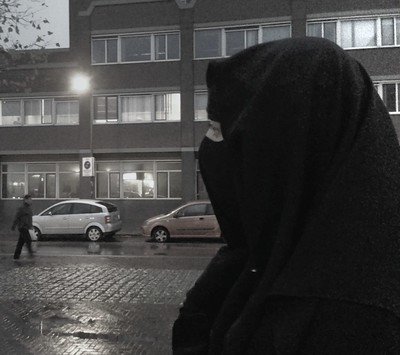
What chance integration?
Text
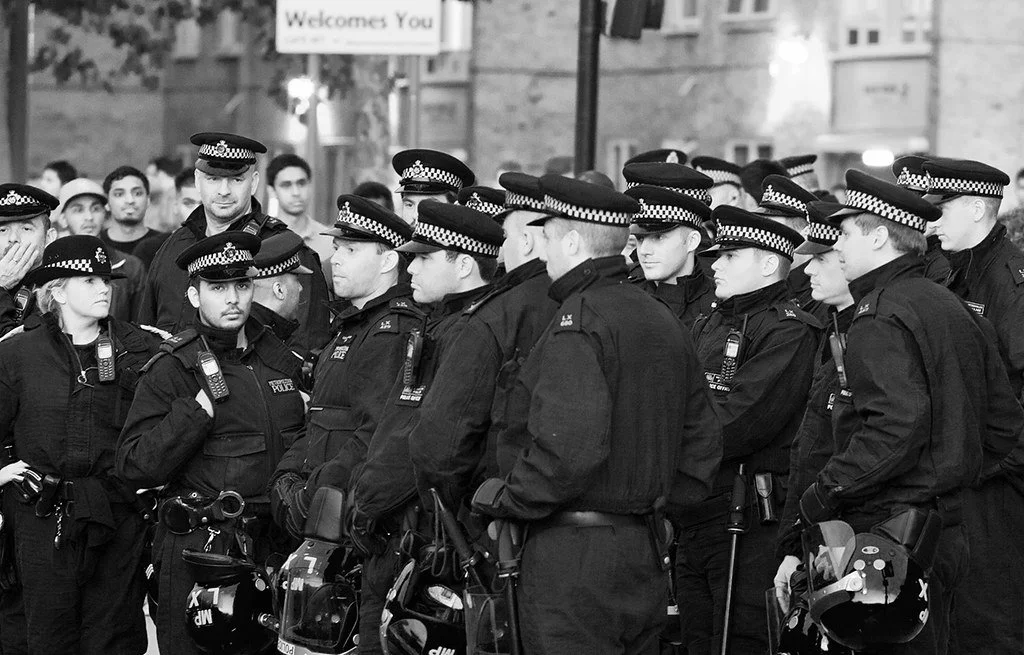
Policing the backlash
Text
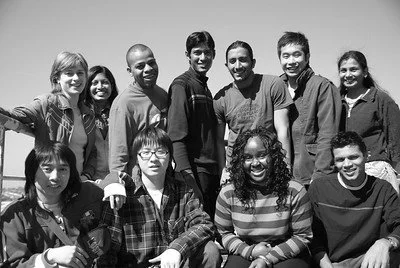
The only sane way forward?
Text
Will it ever stop? If so, how?
Text