

Markets & competition policy

What is a monopoly?
Monopoly is one of the classic examples of market failure. But what is it, how does it arise and what should we do about it?

Can we regulate monopolies? If so, how?
The UK has a poor — no. a terrible — record of regulating effectively monopolies and ensuring that major companies refrain from exploitation of monopoly positions and of their customers. How do we change that?
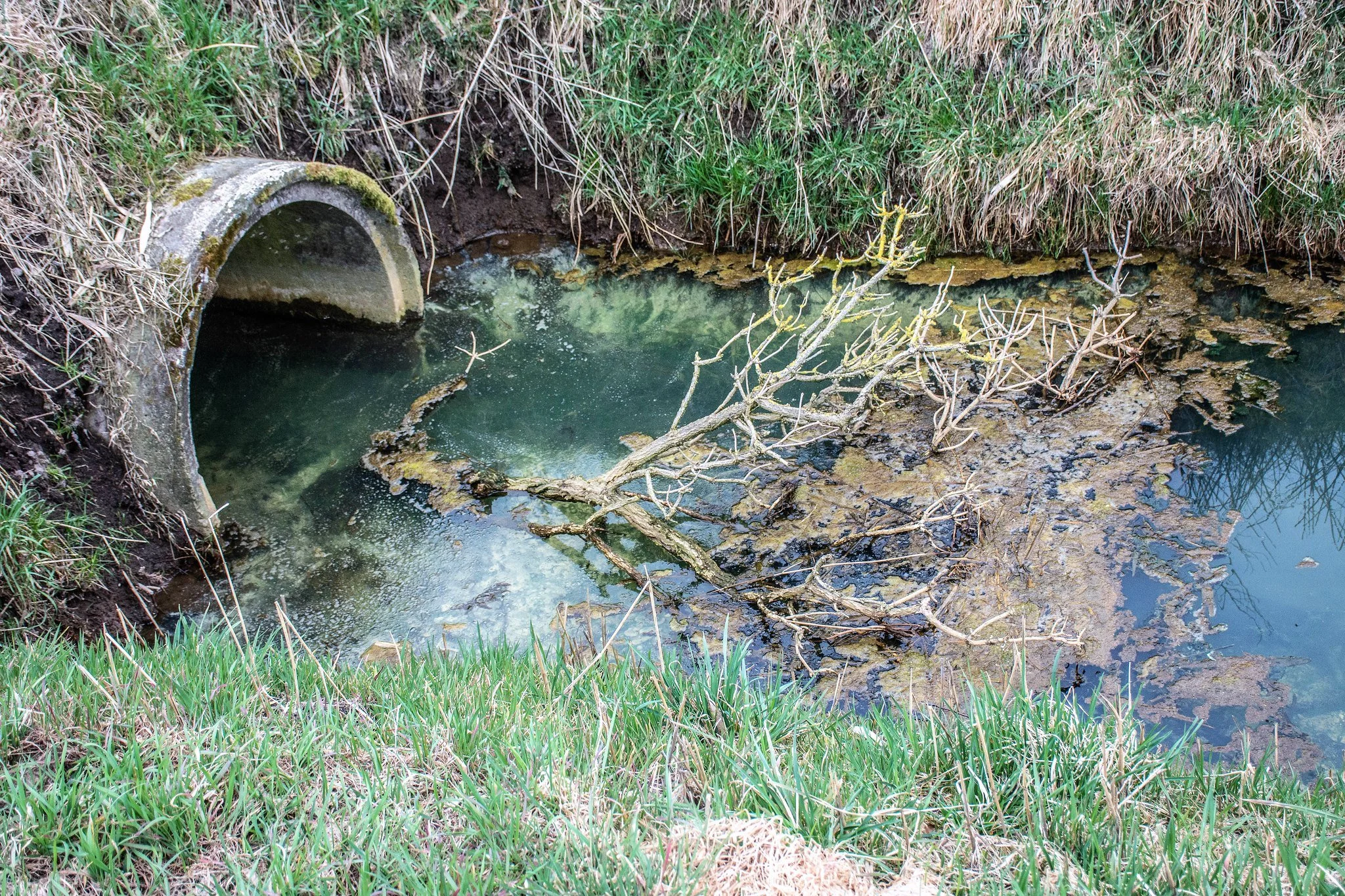
Has privatisation worked? Sewage and sewerage
No. And no-one has been held to account. Company managers have captured huge salaries and paid shareholders excessive for the risk they have taken in a vital sector with supply monopolies. How has this been allowed to occur and what can be done about it? The answers to these questions impact well outside just that sector.
Increasing returns to scale: What is it?
All network-type industries are subject to increasing returns to scale. This creates the ability — prevalent among technology companies — to dominate a sector and suppress competition. How should we respond?

What sort of regulation and regulators do we need?
According to market purests, all regulation is bad or, at least, detrimental. But, in many modern settings, it is essential, even unavoidable, to protect consumers and ensure their safety. How can we regulate more effectively and what does that mean for our regulatory institutions?

How much competition is enough?
Is it possible to have too much competition. Can excessive competition retard growth and economic and social development? If so, how much is too much and how would we know?

UK water companies and privatisation
The privatisation of water is one of Britain’s greatest stories of reform failure. Water and waste water systems suffer from sustained and chronic under-investment, stretching back well before privatisation. Significant, even excessive, distribution of profits has occurred alongside neglect of infrastructure resulting in appalling levels of waste discharge that make some rivers and beaches unuseable and damage marine environments. So what next?

Who regulates the regulators?
One of the problems with regulation in the UK is the lack of effective oversight and of informed and independent assessment of performance. Nominally, both NAO and parliament have a role, but neither are effective. Do we need a meta-regulator? And what would such an institution look like?