

Theme 10
Reason, inference, knowledge, belief & uncertainty
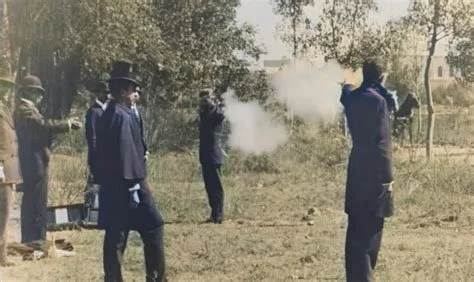
Language and truth
We think linguistically; language is at the centre of our phenomenal experience. Hence, truth is sensed (intuited) or reasoned linguistically. We share our perceived truth with others through language and debate truth dialogically using language. Language is precious and essential to precision of thought and expression.

The structure of knowledge
How do we know things? What does it mean to know something? How does knowledge change and adapt? How do we reconcile conflicting truth claims? What is ontological uncertainty? How do we cope with ontological uncertainty? And epsitemic uncertainty? Why are these so important?

Types of reasoning & inference
Reasoning properly is an essential element of understanding and solving our problems. So how we reason, as well as how well we reason matters. Aristotle defined reasoning as a priori and a posteriori — as deduction and induction — but also introduced abduction, later expounded by William James, as the combination of inferential methods. So where does that leave us? And how about Bertrand Russell’s chicken?
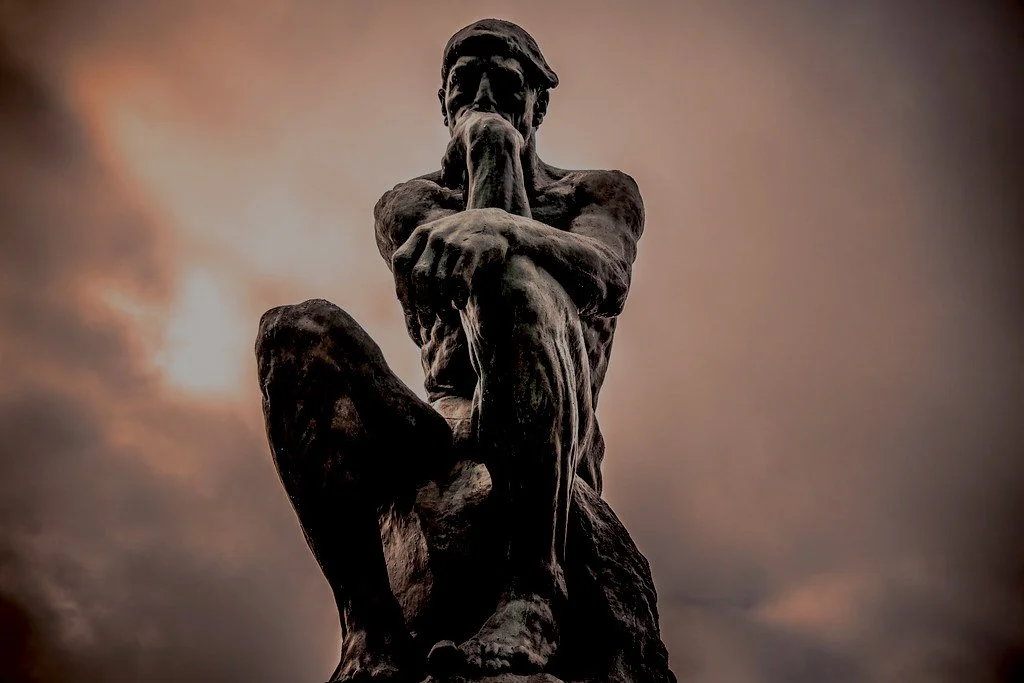
What is truth? Is there an objective truth?
Some believe we live in a ‘post-truth’ world — that everything is subject to the perspective. But to claim that perspective invalidates truth is simply to accept the absence of objective reality. We cannot share a world with others without acknowledging commonalities of our shared reality.

What is belief? Do we believe in science?
Because our own beliefs are true to each of us, the difference between truth and belief can shed considerable light on truth, but little on belief. We may reason that belief does not imply truth; accepting that about our own beliefs is another matter. Appropriately, This reaches its apotheosis in relation to matters of creation and origin and the role of the divine. If our beliefs are true, what of others’ conflicting beliefs? Are they untrue?
Modern genetic science may have proved the theory of evolution (pace Popper), can somone who is not a genetcist or even a bio-chemist know that Darwin’s theory was justified? Or is science, for most, a matter of belief?
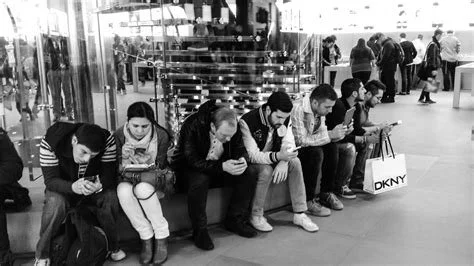
Consumerism and anomie
Why are we here? How do we know? These are the biggest of questions we must all ask. Descartes’ solution to the latter question was the famous cogito: “Cogito ergo sum,” I think, therefore I know that I am. However, today, a mere 250 years later, people spend more time considering their next shopping experience that how they know or why they exist. Perhaps, Emo ergo sum: I shop, therefore I am. In many peoples’ lives, consuming has become a principal affirmation of existence; no higher raison d’etre. No wonder despondency is rife. But what can give us renewed purpose?
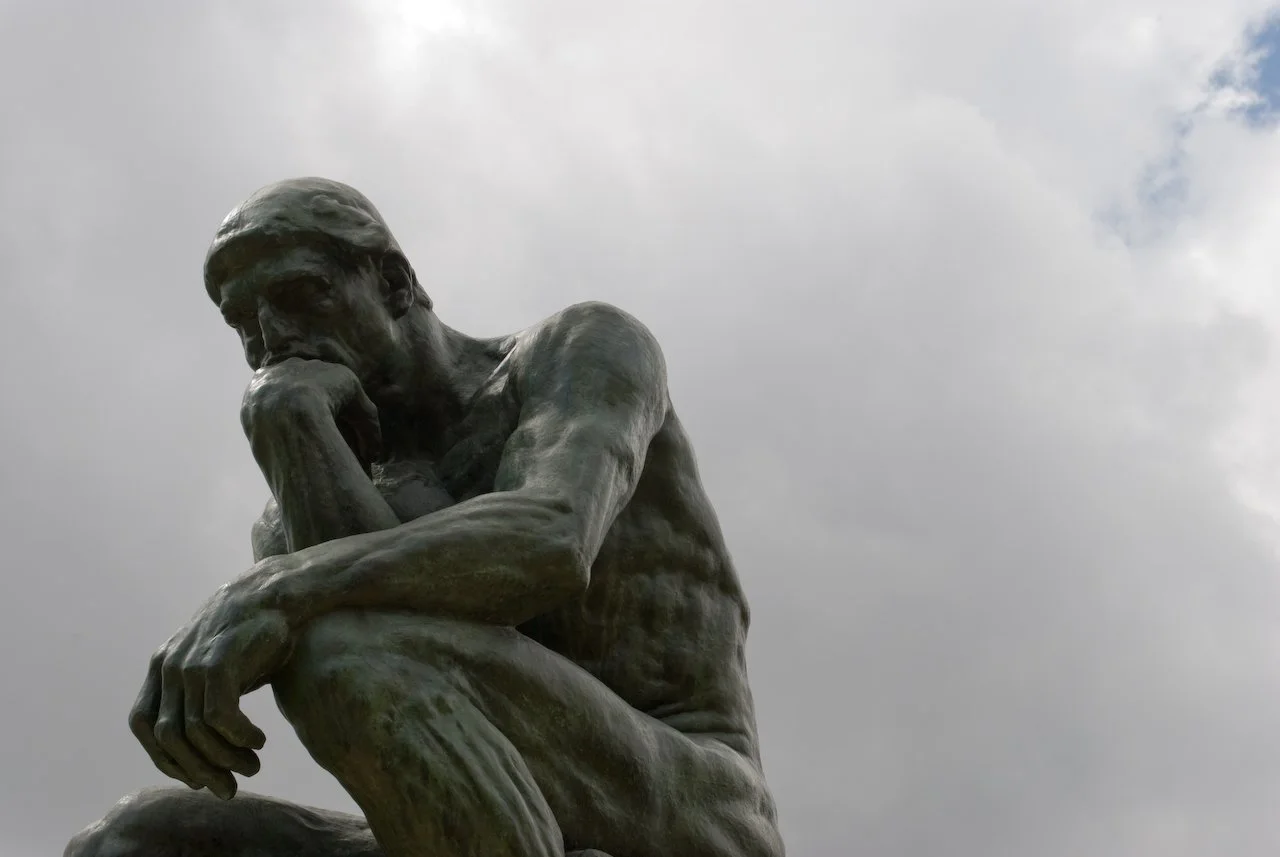
The significance of justified true belief
Not all belief is the same. We can believe something that is wrong. We can believe something that is correct, although we may believe it for spurious reasons. True knowledge is considered, by some philosphers, to be belief that is both accurate and justified through reason or evidence and based on that reason or evidence. This is known as justified true belief. Of course, this definition then rests on justification and standards of evidence. Are we, then, back to square one?
Belief as a source of conflict
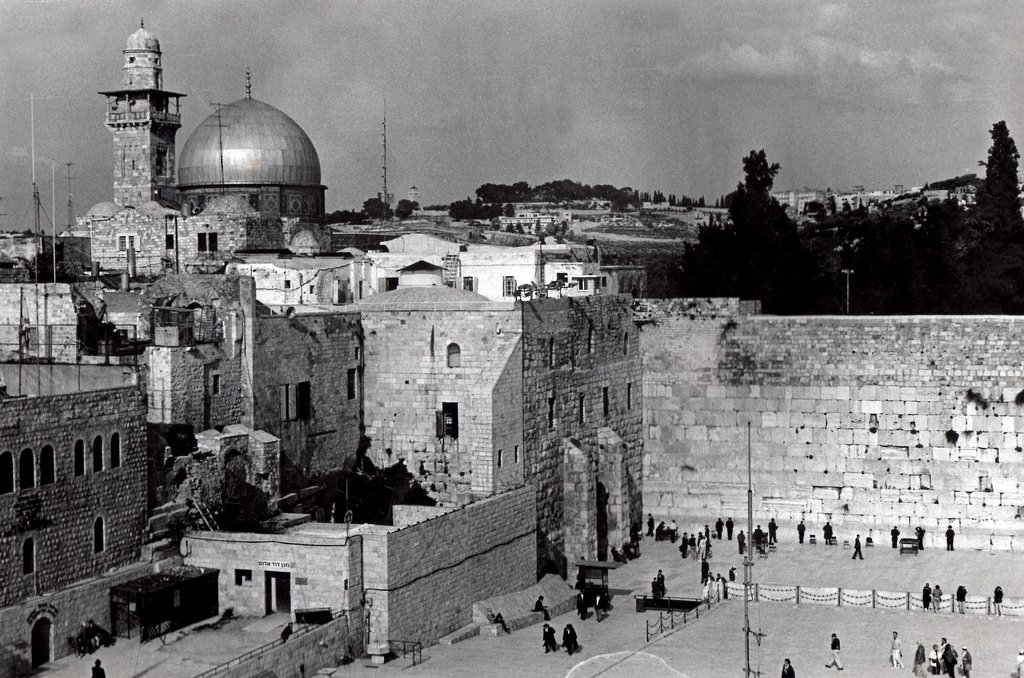
For millenia, different beliefs, especially concerning our origins or origin stories and the roles of deities, have led to conflict between groups of believers in one version over another. Wars of defence and of conquest have often been pitched in terms of protection of a group’s belief structure; this is no less today than in earlier, less scientifically-informed times. How can we move beyond this cycle of conflict?
The human virtue of hope
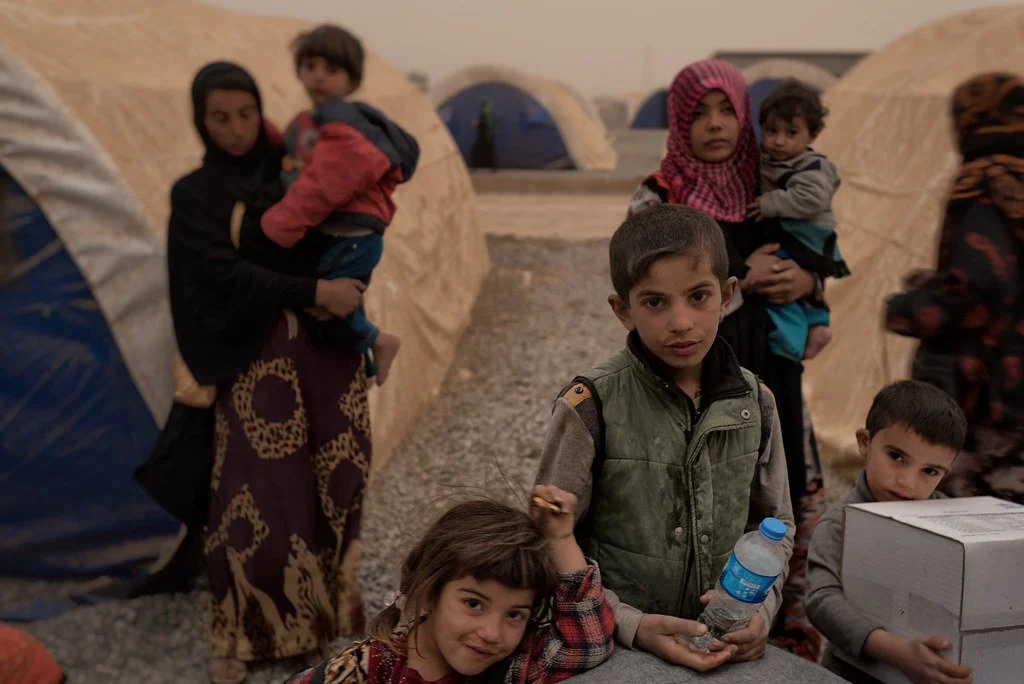
Hume observed that “reason is and always should be the slave to the passions” or the emotions. Why? The answer is the human capacity for hope and what Adam Smith defined as moral sentiments — empathy. Our human capacities for maintaining hope and for displaying empathy to others who must sustain hope, are perhaps the greatest of all human virtues. It is celebrated in the biblical letter of Saul of Galilee to the people of Corinth, verse 13.13: in KJV:
“And now abideth faith, hope, charity, these three; but the greatest of these is charity.
Whether or not one shares that faith, holds another faith or no faith, the truth of that expression of moral sentiments is central to the human conditiion.
Uncertain about uncertainty
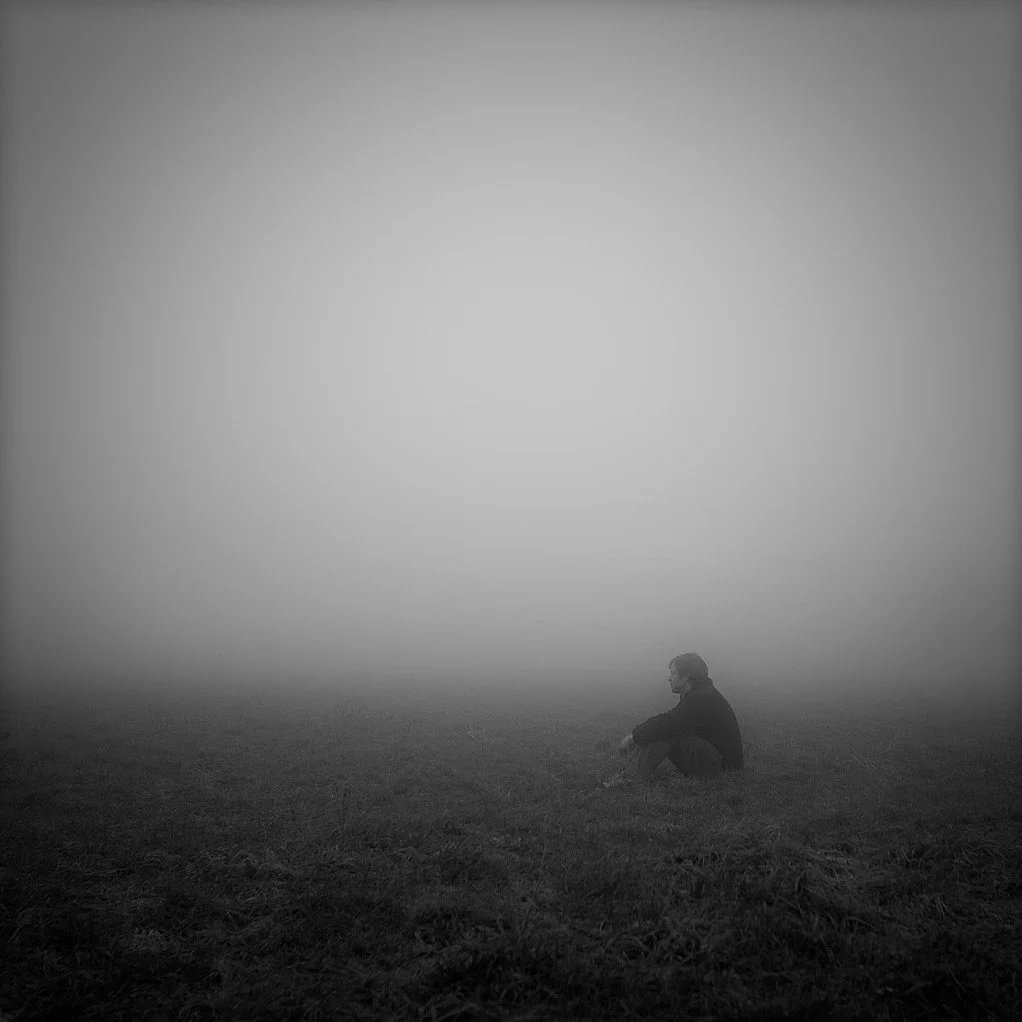
As if knowledge and belief were not complex enough, we must also consider the conditions under which belief is not reasoned, justified or demonstrated to be accurate; where, either through inaccuracies or imprecision of measurement or errors in recording (epistemic uncertainty) or because something simply is not knowable (ontological uncertainty), we face uncertainty. If many people make errors about knowledge and belief, even more fail properly to understand the nature and implications of uncertainty.
Uncertainty in institutions
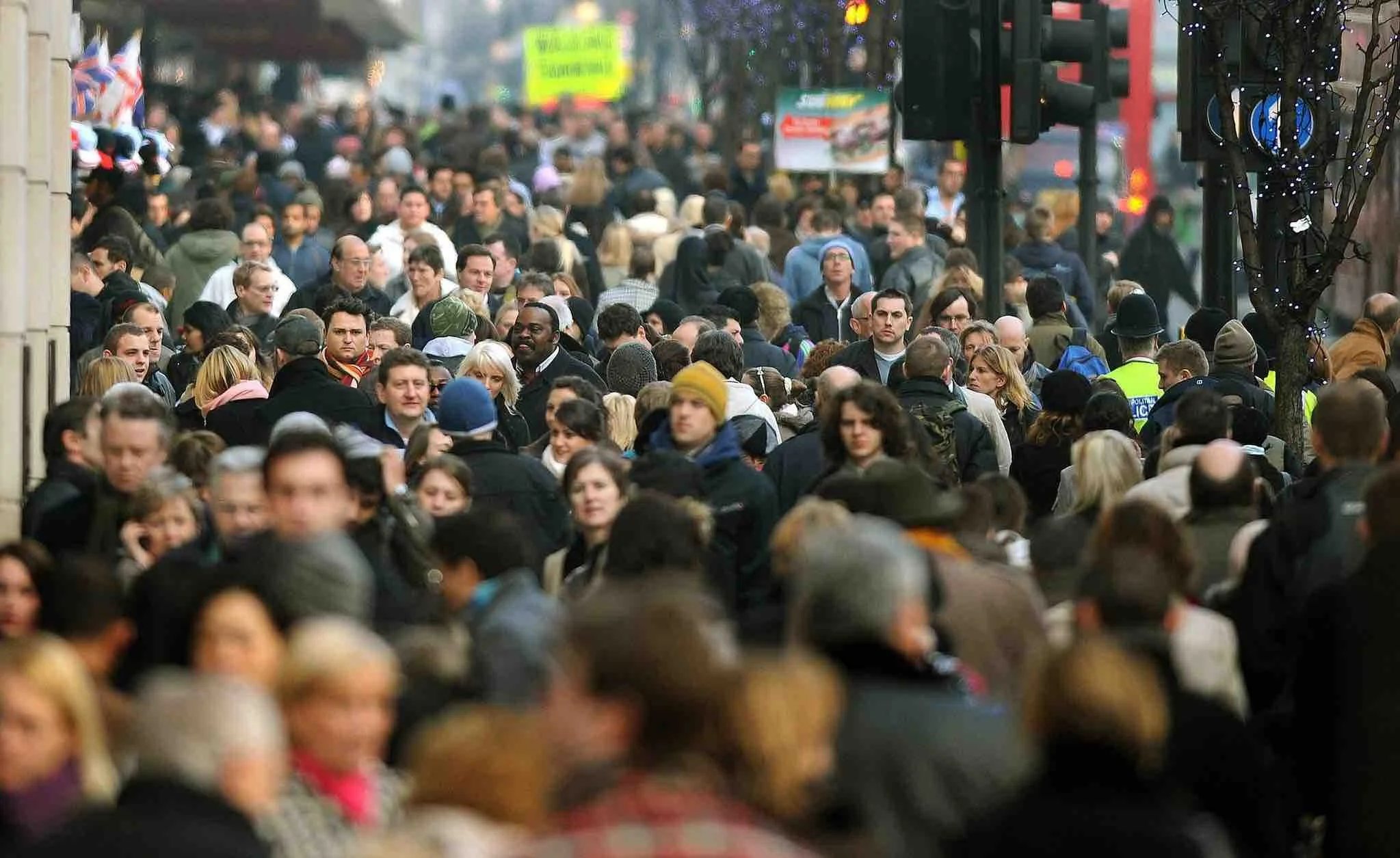
We often use metaphors to describe how uncertainty impacts institutions. IN English, a common used metaphor for uncertainty is that “the left hand does not know what the right hand is doing.” Here, we face the most intractable of all positions, the combination of epistemic or ontological uncertainty, human incertitude and imperfect communication. Yet uncertainty in institutions is a ubiquitous challenge with which all institutions — indeed, all humans, must deal. How well organisations respond to uncertainty — often referred to casually as risk — defines their performance and utility.

Human incertitude
How we experience uncertainty is important. There is a difference between uncertainty and the phenomenal experience of being uncertain, or incertitude. While uncertainty can be described, human uncertainty is experienced. While it will always arise from a knowledge deficit at some level, incertitude varies by person and also by circumstance. It also, potentially, varies by individuals’ reactions to the consequence of an impending decision or action.