

What is justice? What is just?
What is permissible? What should be permissable?
How should we handle those who transgress? Should justice be punitive or restorative or both?
How do we balance rights and responsibilities or rights and duties? How should we?
Do our prisons take in offenders and produce criminals?
Is our prison estate fit for purpose? How about our attitudes?
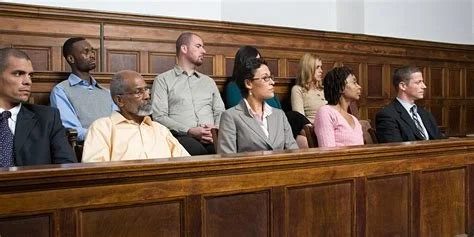
Trial by whom and for what?
Recent proposals to elminate trial-by-jury for crimes carrying shorter custodial sentences have met with considerable opposition. Trial by jury of one’s peers is regaded by some as an essential right in a liberal state. However, jury trials are labourious and represent a demanding duty of citizenship. WHo is right and who is wrong and why?
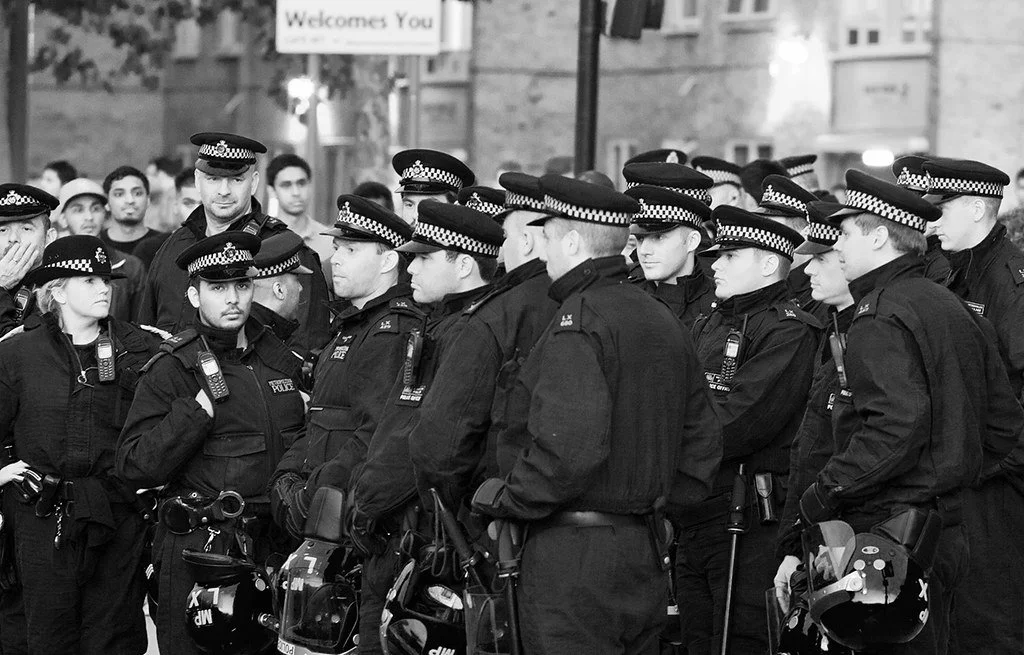
The problems of policing
Policing by consent, unarmed, is rare today. It is even increasing rare in Britain. While it may appear lawlessness is ever-growing, it is not. the last 30 years has seen a significant decline in actual rates of crime in the UK. However, online fraud and cybercrime are growing and rates of reporting of domestic abuse are rising materially. However, much of the public believes crime is increasing and increasingly uncontrolled. Data suggest this is simply untrue.
Unsurprisingly, in such an environment, morale has declined across UK police force.
Part of the problem is the media mantra “if it bleeds, it leads.” Sensationalist reporting is rampant and unhelpful. What can de done to address these problems?
Private prisons? Revisiting the role of the state in incarceration
Depriving a person of liberty and social interaction is inherely, itself, an unnatural act. The continuation of such depreviation of liberty requires the threat of violence. While there may be a role for private enterprise in the logistics and operation of the prison estate, in a civilised society, the threat of violence must remain a social prerogative. It is simply inappropriate to derogate those powers to private, for-proit corporations. Such provisions should be reviewed and, unless compelling justfication can be found for their retention, returned to the state.
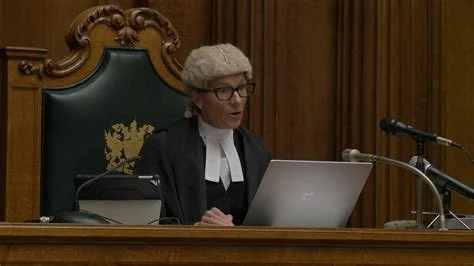
Is the judiciary ‘in touch’? And what does that mean?
Over time, the UK judiciary has begun to look more like the population it judges and paricularly the population in general. This is both desirable and commendable.
Naturally, the judiciary is older than the general population, but is broadly representative of the general population in the same age cohort.
Similarly naturally, the judiciary is better educated than the wider population, as it must be. So why do people feel the judiciary is unrepresntative or oy of touch? And out of touch with what?

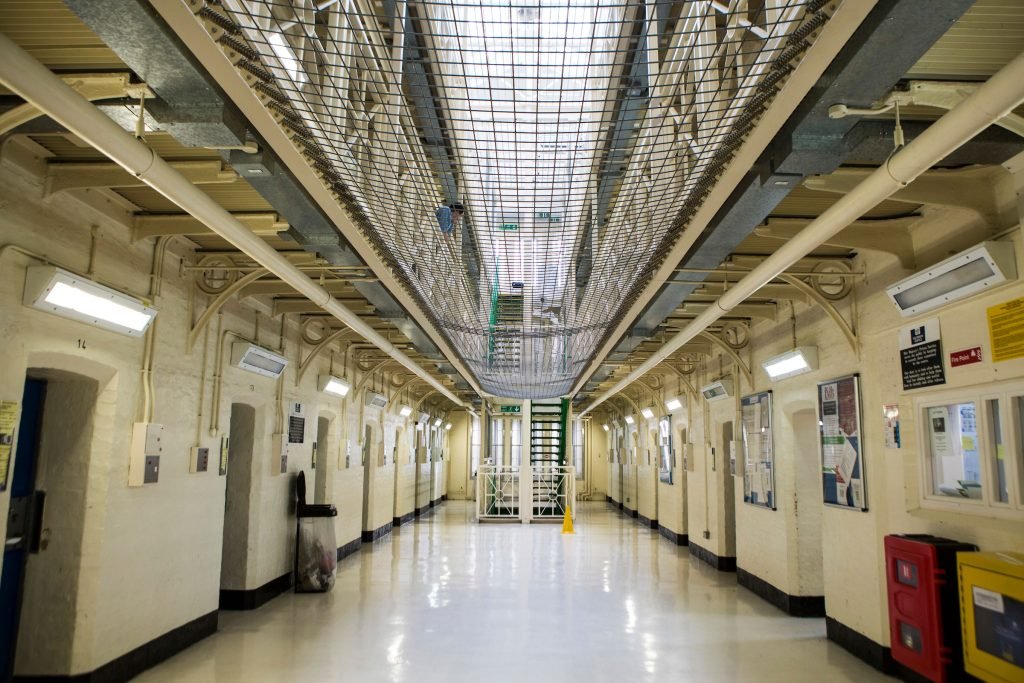
Lock up an offender; release a criminal?
Prison are full of criminals. Putting a first-time offender in a confined space with criminals for a protracted is unlikely to lead to a good outcome. Data support this hypothesis. Over half of offenders receiving sentences of under 12 months re-offend.
Statistics of post-incarceration recidivism in the UK are voluminous. Sensible interpretation of the data is strangely limited. Many studies present a clear idea of what works and what does not, but governments seem unwilling to invest in either the prison estate or the rehabilitation of the incarcerated. ‘Tough on crime,’ stupid, inhumane, short-sighted and counter-productive as it is, seems to respond to the electorate’s preferences for retribution.
The way we respond to criminality is as self-defeating as it is uncivilised. Change should be coming to a prison near you, but probably isn’t any time soon.

Why do we have prisons?
We imprison offenders; we release criminals. The purpose of prison can only presently be seen as deprivation of liberty as retribution for commission of criminal acts. It could and should be about so much more. Used well, judicially-ordered incarceration can be, quite literally, a life-saver and can certainly provide an opportunity to assist the convicted offender to steer his or her life in a different direction. Why do we allow a system to squandour routinely the ability to assist people to change their lives? It is wasteful, minimises the opportunity for atonement and risks perdition for simple errors of life choices. We can do better. As a society, It is a moral imperative that we attempt to do so.
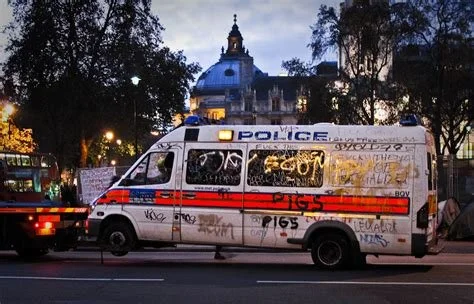
Do citizens trust the police?
Should they?
Trust in the police has been shaken by high-profile incidents of violent criminality by individual police. However, while there are concerns with the way policing is conducted, opinion research suggests that the police enjoy a relatively high level of public trust. Declining crime numbers, driven by both passive and active security (thus making crime more difficult) suggest that public trust is warranted. However, there appears much work to do within police forces to reduce bullying and sexism, neither of which are conducive to effective policing.
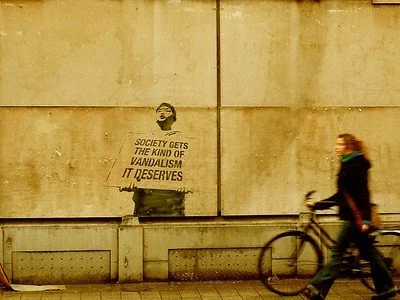
Restitutive justice
Far too many people end up in prison, which should be reserved for crimes against people or directly against the state. Surely, we would do far better to require non-voilent offenders to labour to provide restitution to the victims of crime, either directly or collectively, than to require them to pay taxes for the incarceration of those who commit non-violent crime. Locking people away from society does little to encourage pro-scoial behaviour or attitudes.
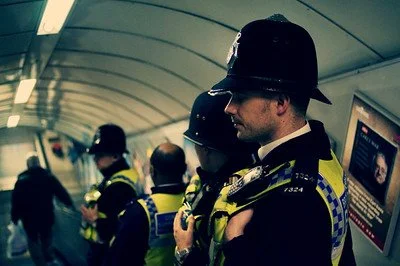
Policing reform in the UK
At present, the UK has 42 grographically-based police forces and 3 specialist forces — transport, civil nuclear and MoD constabularies. Quite rightly, this unnecessary proliferation has become the intended target of government reform. Many policing issues are not localised and localised information-holding provides offenders increased opportunity for evasion of detection, investigation and apprehension by police.
Policing is also becoming more intelligence-led, more complex and more specialised. Reform must recognise these factors, as well as the need for a changing set of skills among specialised officers. Change is coming to a police force near you.
However, the police are merely the front-line of the criminal justice system, followed by the Courts and Prison Service and related functions. The police can only be as effective and socially-useful as the other elments of that system allow them to be.
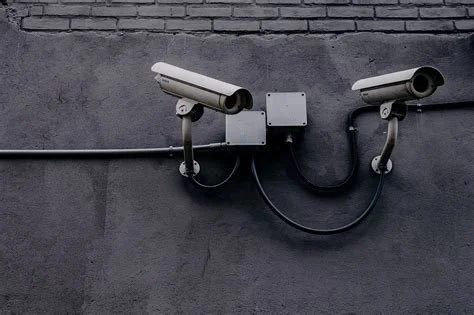
The surveillance state
The intrusion of surveillance by the state in to the everyday lives of its citizens is growing and is likely to continue growing. Is this increasing surveillance justified and benign or an illiberal invasion of privacy that reaps only limited benefit?
How does the prospect of surveillance alter the behaviour of the potentially guilty? Equally importantly, how does it impact the behaaviour of the innocent? Not enough attention is paid to these issues.