
Founded originally in 2013
Futuresphere was originally founded in London in 2013 to respond to what has subsequently become widely known as polycrisis. In the wake of the global financial crisis, the ensuing UK banking crisis and Eurozone debt crisis, as well as the global climate crisis, a group of like-minded professionals believed that business had to change. But ‘day jobs’ took priority; the initiative stalled.
A decade later, the original Futuresphere is not the only thing that has been revealed to have stalled. While time has healed some of the most vociferous complaints about the wounds of 2008, it has done little to address the structural problems and contradictions that led to the 2008 global financial crisis; action on reducing greenhouse gas emissions has been nugatory and certainly has not kept up with the lofty and pious rhetoric of Paris in 2015 or national politicians since then.
In the meantime, other problems have proliferated internationally and at home. Along with many other western polities, Britain appears lost, rudderless and despondent; increasingly, the West seems out of ideas that do more than funnel additional wealth to the wealthy. Its politicians appear impotent to address the unintended consequences of even incrementalist policy agendas; purposive social action has earned a ‘bad rep’. The liberal aspiration of justice as fairness (in Rawls’ great phrase) seems to be flickering, if not almost extinguished. Reform (the process, not the atavistic political return of Nigel Farage) and a solution the ‘productivity puzzle’ that could reverse the slide of Britain in to being, in the words of former BoE governor Mark Cairney, ‘Argentina on the Thames,’ seem a distant prospect. Sound research, original ideas and pragmatic realism about the future are needed now more than ever.
Futuresphere is needed now more than ever.
Our (re-)founders & directors
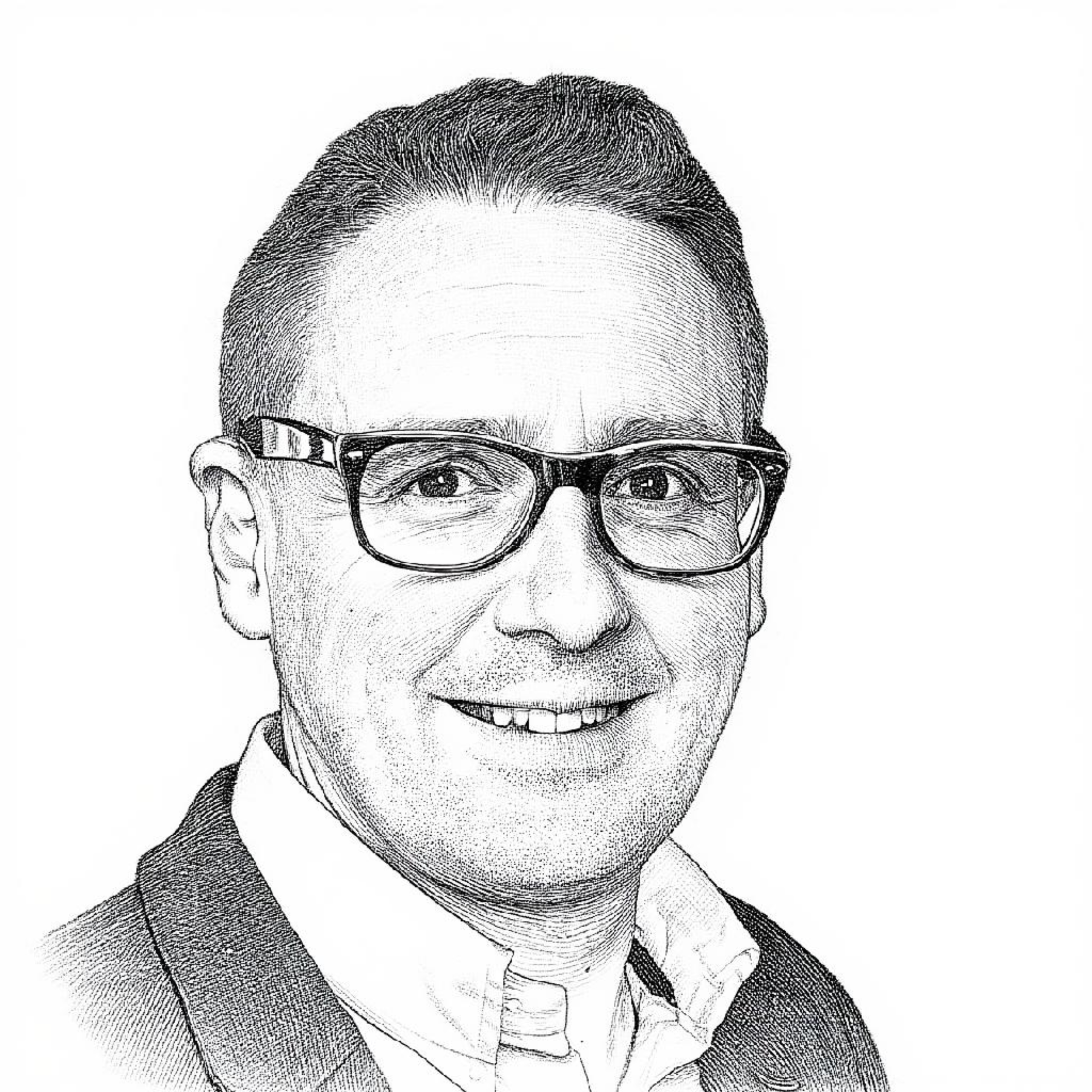
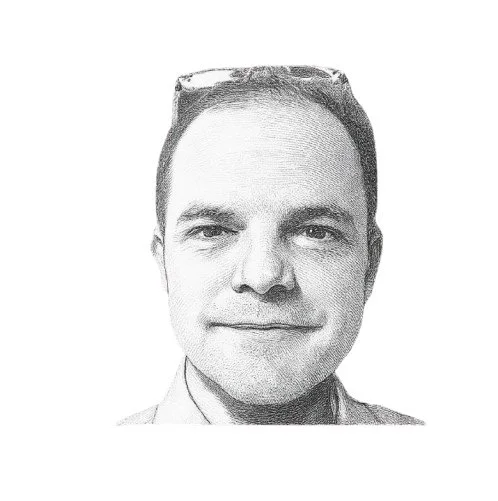
Mustafa Cavus Ph.D
Colin Johnston Ph.D
Laser physicist, geologist, chief risk officer, international sportsman
Economist, mathematician, real options and operational risk expert, software developer
If Mustafa’s career has been held back by anything (it hasn’t) it is that he sees the best in everybody and every situation. This is not Panglossian optimism, it is simply a generosity of spirit that is unrestrained. He lives Kant just as he lives his faith. He does not compromise, he reconciles; he synthesises. So must we all.
Professionally, he wants to solve big, difficult problems from which others shy away. Some will mistake his commitment for willfulness; really it is just the product of an excellent mind and a big heart applied to problems that he knows need solving.
And we have some very big problems in the world right now.
His unfailing pursuit of excellence does not deter him from finding pragmatic solutions to practical problems. He just sees them differently from others; simultaneously more abstractly and more concretely; vision which he then turns in to commercially-accessible, almost emancipating, solutions.
His developments bring the most sophisticated decision methods we know within the grasp of every business person. His work may well change how all businesses everywhere respond to uncertainty.
To find out more about his toolkit, visit:
After having started his career as a research scientist at St Andrews, Colin trod the well-worn path to the City of London, where he has spent 30 years, initially as a consultant then principally in buy-side risk roles. His more recent posts include CRO of a major international investment house, an investment bank and a global inter-dealer broker and market venue provider. He was subsequently COO in an exchange start-up.
This background has given him plenty of time to become fed up with self-limiting and self-sabotaging thinking by senior business people, politicians and public alike. As he has observed uncritical credulity and herd-following grow to drown out questioning, reason and pragmatism in many debates with inevitably deleterious effects, he has found his tolerance of it diminish.
He feels it is time to apply his knowledge, efforts and energies to changing that and to confronting some of the major issues and challenges we face nationally and globally as we stride myopically and uncritically in to a brave new future world.
Sapere aude. Viva l'Illuminismo.
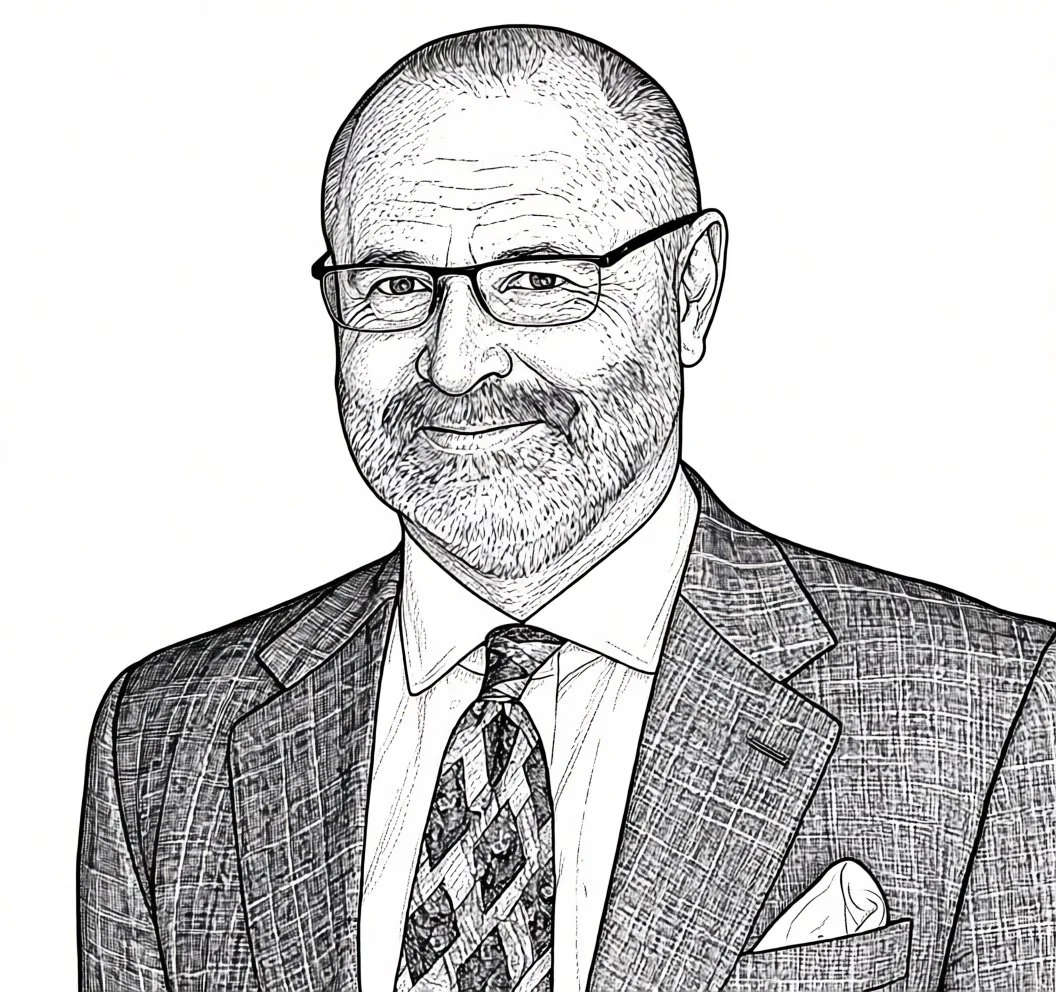
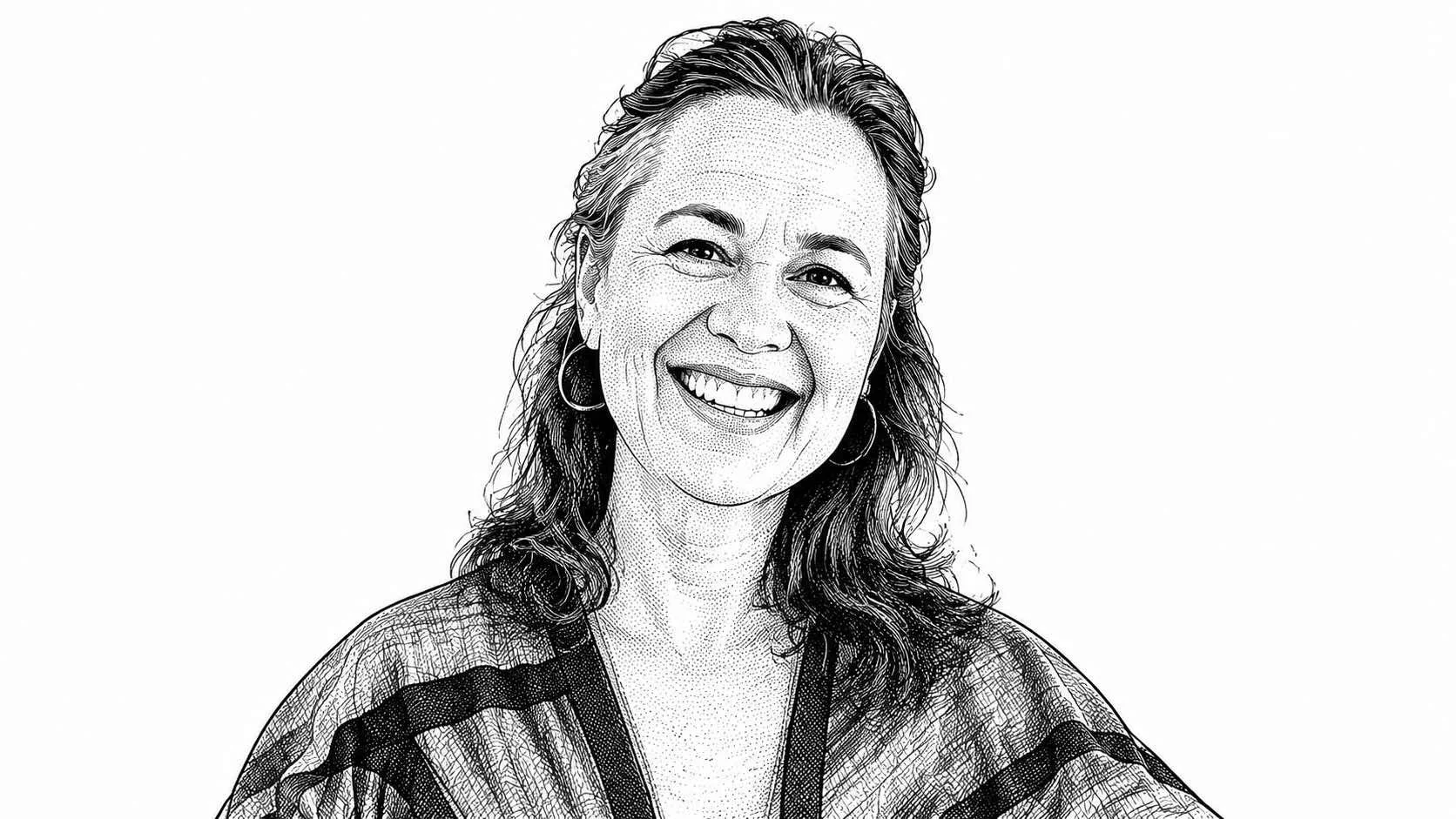
Carole Edrich FRSA APAi
Astrophysicist, innovator, methodologist, journalist,
charity chair, syncrretist
Having been an innovator right from the start of his career, Peter held development roles in the public sector, in banking, insurance and telecommunications before moving in to consulting. He has been a national practice leader and global innovator with a big-four chartered accounting firm and has advised companies and their boards around the world.
Settling in London (for the weather), he has spent 20 years leading boutique practices advising global companies on strategy, uncertainty, risk and governance.
As well as an innovator, he has always been a skeptic and even a contrarian. Now, he has become frustrated at (a) the apathy and incuriousness of business people to knowledge and method in social sciences and (b) to the insouciance, hubris, vapidity and inaction of politicians in a world plagued by the rhetoric of post-truth sophistry.
Although no prude, he realises it is time to start to prepare a new, more discreet wardrobe for the Emperor. He has the tailor’s chalk in his hand already.
Carole simply does not approach a problem — any problem — the same way other people do. A self-described syncretist, where other people start by analysing difference, Carole starts from the assumption that everything is connected and that, if we cannot see that, we simply have not understood the problem properly. This comes from two sources: first, she does not accept that similarity brings resilience; secondly, she has an almost unnatural ability to engage complexity.
Most of us engage complexity as a challenge, but Carole takes it as a given and accepts it, then looks for the threads of simplicity or unity that run through that complexity. As a result, her work is always solutions-focussed.
It’s a good thing that she is patient of others by nature, because she spends a lot of time waiting for other people to catch up.
Carole wants the world to change to be a kinder and more sympathetic and empathetic place. Of course, so do we all, but Carole acts on that wish at multiple levels unselfishly and without ego. Perhaps her secret to seeing the world differently is that she naturally seeks to see the world through others’ eyes. Would that we could all seek to do so.
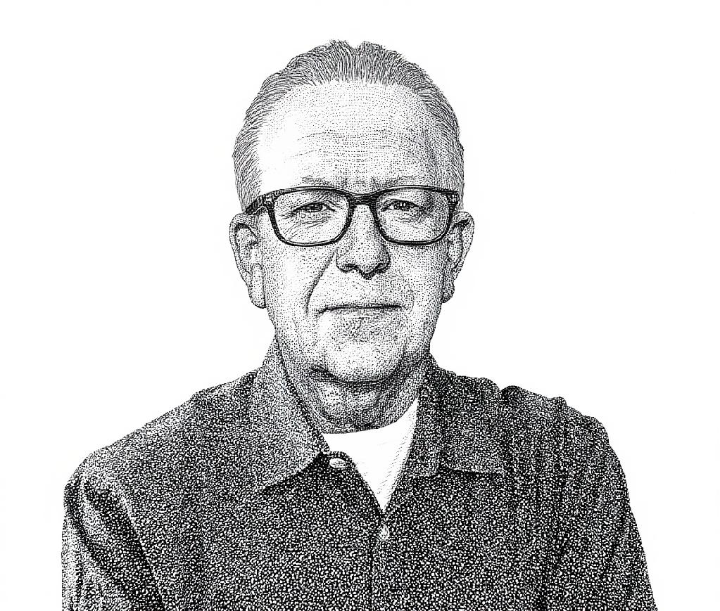
John Collins Ph.D
Nuclear physicist, industrial scientist, innovator, motivator, disruptive technologist, educator
Simply put, John is an endlessly restless spirit. It is difficult to convey the infectiousness of his intellectual or practical curiosity. His unrelenting energy is well matched by his huge empathy and his desire, even his need, to improve the world around him and to help others understand and realise their potential.
Most people progress to a portfolio career; for John it is natural. Never content with a single purpose, he has a varied and storied career spanning research science, industrial R&D, and commercialising the results of R&D. He is one of the few people who can say his work spawned an industry: industrial diamond production, an industry now worth billions every year.
He has worked extensively with the UK’s science and technology sectors to improve science translation and to bring new and innovative industries out of the laboratory and into production. His work in this respect makes him a recognised leader in the UK’s technology innovation landscape.
John organises, convenes and acts. His influence is subtle and his message compelling. We must invite, accept and adopt change, but never passively. Agency is everything.
Peter Bonisch
Political economist, strategy, uncertainty & governance consultant