

Energy
How will we keep the lights on?
Power is development
Despite what those who seek to encourage international development would have us believe, development is necessarily energy-intensive. To develop means concuming more power per capita. Therefore development goals are potentially contrary to goals to reduce combustion of fossil fuels, at least in the short to medium term. That suggests that development should be powered either by renewable energy or by nuclear energy production, with the cost of long-term containment of spent fissile material.
Delaying development is deeply unfair; the least developed have, typically, done the least to contribute historically to fossil fuel combustion and have benefitted least from historic energy production. We need to find a way for the less developed world to access plentiful supplies of energy without combustion of fossil fuels.
Power load management and supply sources
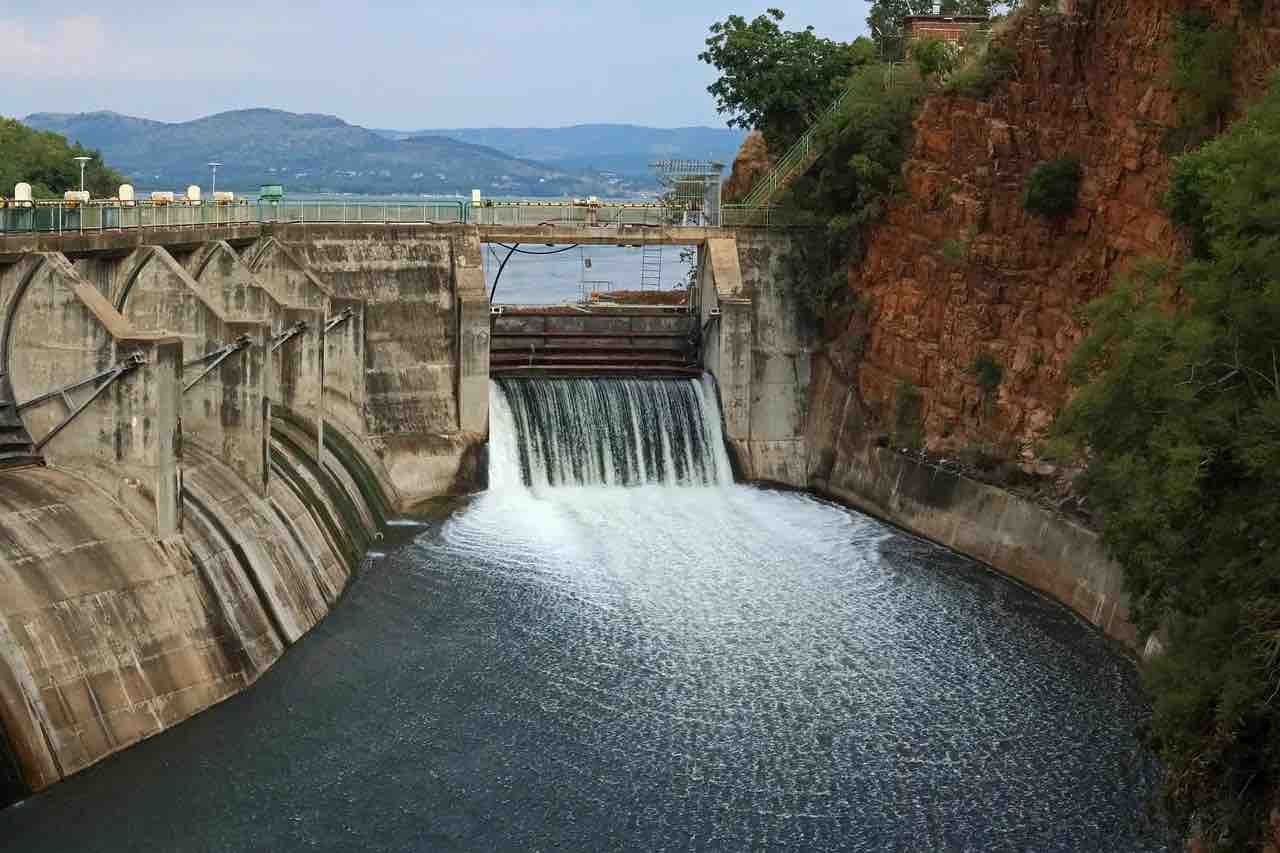
The problem with renewables is that they are unreliable; the wind does not always blow and the sun does not always shine. As yet, the one inexorable natural potential energy resource that energy scientists have not manage to exploit is the movement of the oceans, especially tides.
The difficulty with energy is that it is problematic to store.Without adequate storage, peak-load energy demand is difficult to satisfy with existing renewable technologies. Until this problem is resolved satifactorily, the demand for on-going consumption of combustible hydrocarbons will continue and, if we are support development in poorer countries, accelerate. Solving this energy dilemma is one of the most pressing problems facing humankind.
Seeking ‘net zero’
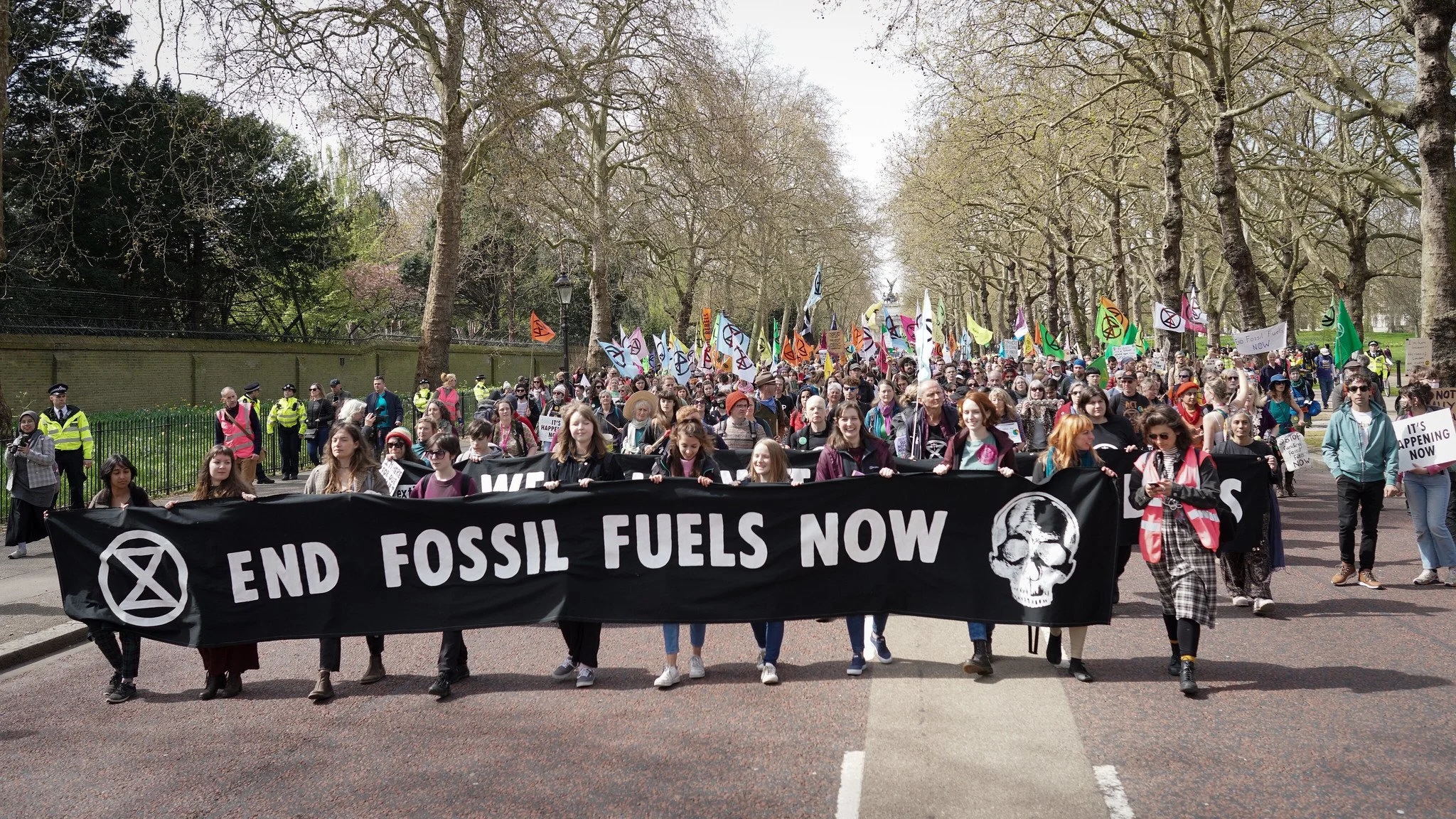
The science of the greenhouse effect is well understood. As is the recognition that we could not live without the atmospheric gases that produce the greenhouse effect. Without them, climatologists have estimated that the world would be 30°C colder, making live unliveable in most regions.
To balance the mix of gases in the atmosphere, we must first reduce the production of those gases that are contributing to excessive capture of radiant heat that produces the greenhouse effect. We may, also, be able to develop technologies to ‘capture’ and sequester some of those gases that contribute most to the heating we have experienced.
As yet, while the technologies required have been developed, storage — sequestration — remains an unsolved challenge.

Bearing the costs of reduction in combustion of hydrocarbons
Simply put, we burn hydrocarbons for energy production because, other than geothermal resources and hydro-electric infrastructure, it is the cheapest available course. Also, it is more easily produced on demand than hydro-electricity which must be regulated to manage captured precipitation, which can, itself, be unreliable. Hydro-electric infrastructure is very expensive to develop and wholly dependent on conducive geography, whereas fossil fuels are almost infintely transportable.
Therefore, replacing combustion of readily-available hydrocarbons will impose additional costs. Generating even more electricity and transmitting it through reticulation networks to where it is needed for marginal development will also be considerably more expensive without hydrocarbon-based energy sources. We do not yet have systems in place to ‘internalise the costs of hydrocarbon production, as any such would rely on shadow-pricing at best; informed guesswork at worst. If the latter, the losers will all withoin their power to prevent such imposts. But act, locally, nationally and globally, we must.
How strong is the case for more nuclear generation?
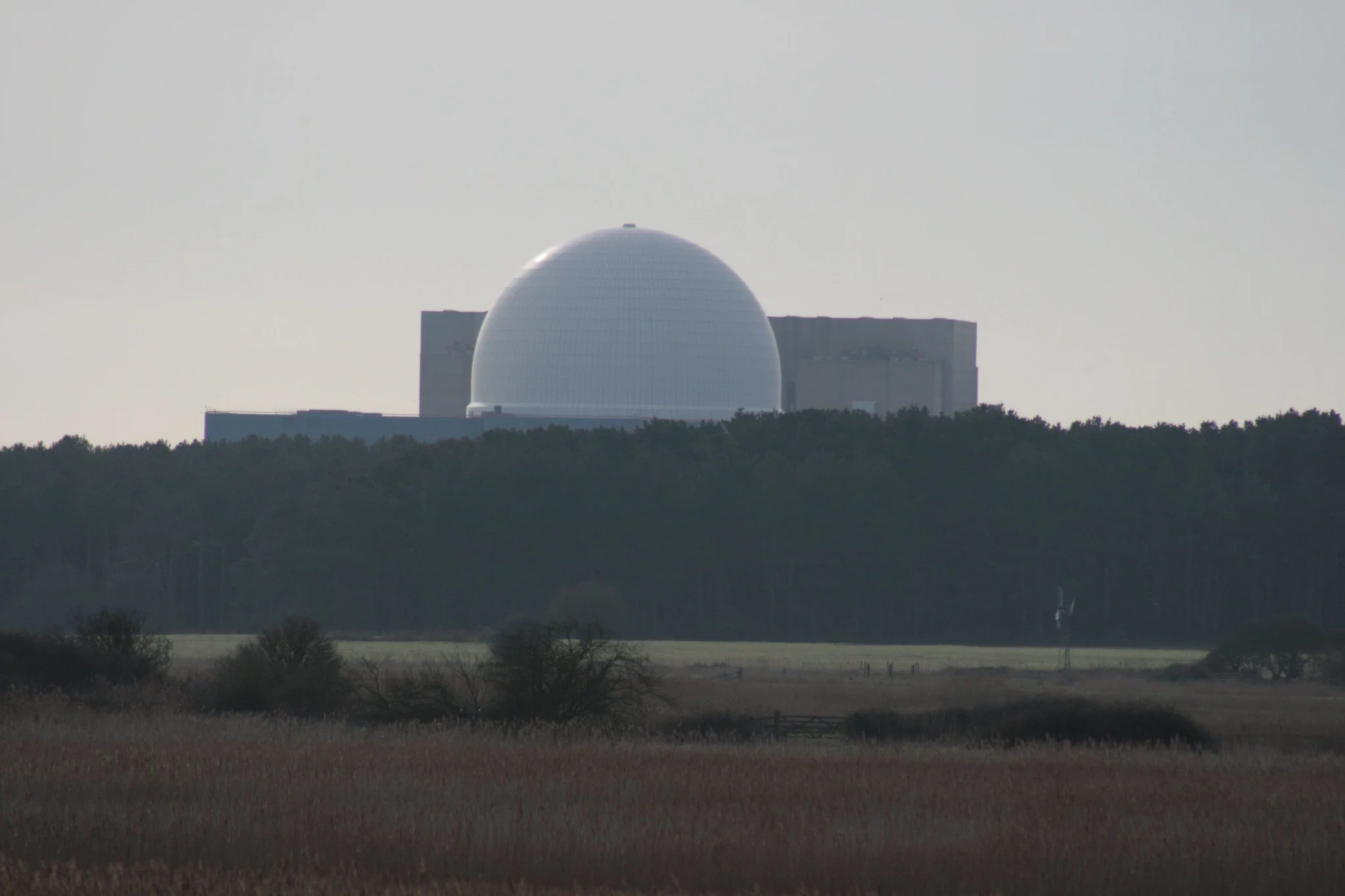
Nuclear energy gets a very bad rap. Precisely because fissile material is so dangerous and its effects on humans so immediately undetectable and unpleasant, the control systems over both material production, storage, access and use of fissle material are among the most sophisticated and reliable we, as humans, have developed. There have been very few loss-of-life nuclear control failures and relatively few nuclear accidents.
The case for additional nuclear generation capacity is compelling. Not only can it bring significant baseload supply, it can respond to demand peaks. There are no direct greenhouse gas emissions from nuclear generation, and while fissile waste is long-lived and must be stored under tightly-controlled conditions, the voume of waste material is relatively small. Future scientific advances may reduce the storage half-life.
The strength of the case, however, depends on two very important things: (i) can the price of construction be brought down significantly through, for example, modular construction to a level comparable to other sources and (ii) can we ensure any global regulatory and supervisory regime is sufficiently comprehensive and effective that risks of both preparation and operation are minimised and the risk of system leakage of fissle material that may be enriched for weapons purposes is effectively eliminated. Without both these criteria being satisfied, our energy shortfalls will not be filled by nuclear generation.
Nuclear fusion: power of the future and always will be?
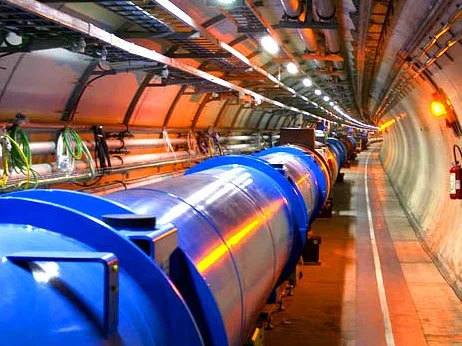
Despite recent progress in achieving net-energy-positive fusion reactions, sustaining them for sufficiently long to generate energy in meaningful quantities appears far off. Research is eye-wateringly expensive and payoff appears illusive, at least for the moment.
However, if it could be achieved cost-effecctively, energy production from fusion has the potential to revolutionise the supply of energy globally.
Recent UK investment in fusion development includes £ 2.5 billion grant over a five year period in to the nuclear fusion industries in the UK Ths represents about 0.5% of annual UK energy expenditure to developing a technology that in the Government’s own wordsholds “the promise of clean, abundant, safe, baseload energy.” Estimates of timelines to fusion energy production at commerical levels range from 15 years to over 30 years and include never. Investing heavily in the UK’s fusion development industry is a gamble.
The government needs urgently to increase the scale and seriousness of its commitment to the commercialisation of fusion energy production for base-load supply. This should include extensive private sector involvement but with ultiimate production owned nationally. Why? Because, given the uncertainty of return, the underlying investment risk will, ultimately, be held by the taxpayer.
However, this should only form part of a diversified energy strategy. The UK urgently needs additional renewable power, access to extractable hydrocarbon within existing fields and additional fission-based energy production, probably from smaller, distributed modular generators.
Clearly, government energy strategy must balance energy need with energy security with emission-related objectives and potential isolation from traditional supply sources and massive, short-term fluctations in spot price.

Energy security & trading in carbon-emission rights
The UK does not face a shortage of power. Rather, it faces supply that is priced at international spot rates even from its own, sovereign resources. This represents a collossal failure of strategic and commercial vision byt government.
It is clear that the present emissions-trading regime has not proved effective even within its own relatively limited objectives. Its scope has been insufficient and its estimations of energy requirements woefully inadequate. However, for the world to avoid excessive heating from continued combustion of hyrdocarbons, the externalities of the side-effects of that combustion will need to be quantified and incorporated in to the price of such activity. That may be through an enhanced and improved emission-rights-trading regime or throught direct taxation providing pooled funds to invest in alternative energy sources. We have already delayed for three, perhaps four decades too long. Time is no longer on our side.
Ensuring the right energy mix for efficiency and security
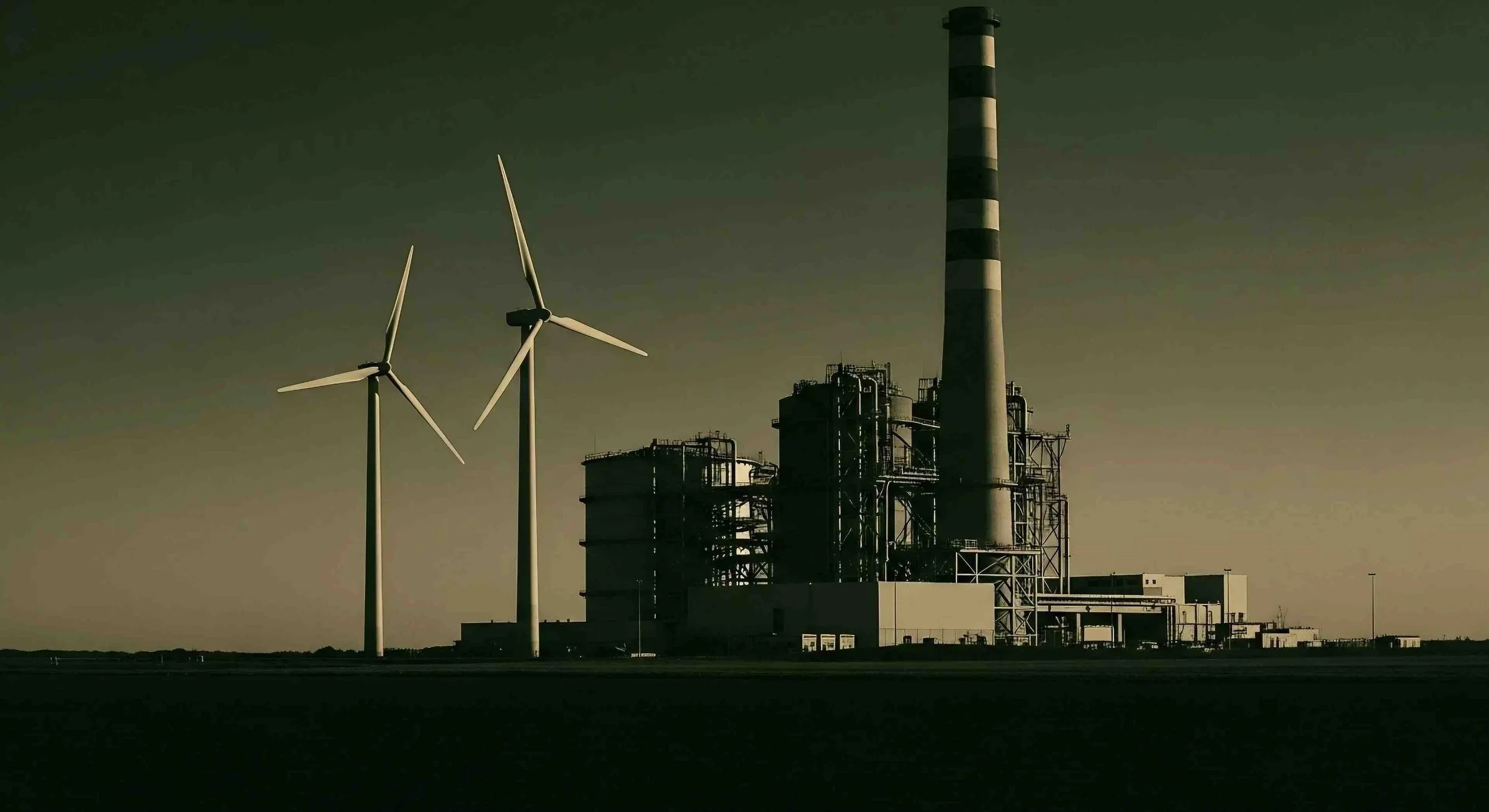
Recent world events have shown that exposure to spot-price fluctuations in energy expose the UK to levels of risk that politically are unacceptable. The major oil and gas producers domestically effectively hold the country to ransom based on the rights to extract a resource that is publicly owned. This demonstrates the paucity of commercial understanding in government negotiation of licences to extract the remaining reserves in the vast North Sea oil and gas fields.
We need enormous expansion of the ambition of elimination of hydrocarbons from our energy production, through renewables and a significant increase in nuclear substitution. In the short term, the will be fission-based, but we must also strive to lead globally in the technologies required to achieve commercial fusion production right across the component supply chains, including in the requisite physics and engineering basic research and tranlational engineering research for fusion production.
We must also continue to enhance energy efficiency and research in to carbon capture and sequestration. In few sectors is the argument for government co-ordination as compelling as it is in energy.
Power storage: prospects for mega-batteries?
And mega-deals?
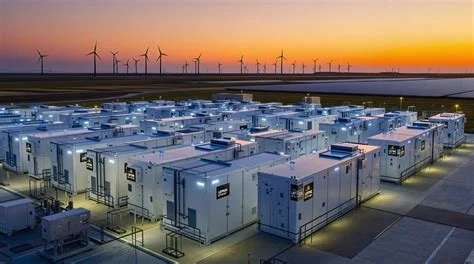
Alternative technologies, especially wind and solar energy sources are increasingly cheap but remaim undependable without signficant and efficient storage capacity.
If Britain is a science superpower as its universities so often claim, then improving energy storage technologies is clearly a target for increased and sustained research and investment.
The roles of the public and private sectors here can and should be complementary. However, the UK government has an extremely poor track-record of collaboration with private capital and resources. In the area of energy storage as in many other areas, to serve the interests of current and future taxpayers well, the government must become considerably more adept at strategic financial management and contracting with provate capital sources for collaboration, or everything will end up selling like sewage does today.