

Economic policy

Monetary policy
Famously, in 1962, Milton Friedman wrote “Inflation is always and everywhere a monetary phenomenon, in the sense that it is and can be produced only by a more rapid increase in the quantity of money than in the quantity of output.” Was he right? What does that mean for monetary policy today?

Labour market policies
FIn the decade following the golbal financial crisis, successive governments allowed immigration to suppress wages while discouraging unionisation and collective bargaining. UK workers enjoy fewer protections than comparable. European counterparts. So where now?
Fiscal policy
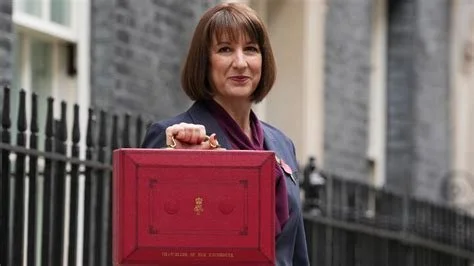
The UK Government’s fiscal policy is governed by its so-called ‘fiscal rules’ concerning budget management. These rules are, at least formally, self-imposed. What do they mean and why do they matter?

Trade & tariff policies
As the world enters a new period of use of tariffs as foreign policy, what makes sense? Should the UK reimpose tariffs to protect local industries generally, selectively, strategically or not at all? What are the real purposes of tariffs and do they achieve those purposes?
Supply-side reform
Supply-side reform involves reforms to improve allocation and allocative decision-making among producers. Advocates see it as essential for market disciplines; opponents see it as a means of suppressing wages and oppressing workers. Who is right and why?

Why so little reform?
Since the reforms of the Thatcher premiership, very little substantive economic reform has been either envisaged or attempted. The UK has been plagued by the curse of policy incrementalism and the lack of imagination it tolerates. How long can this continue? How long should it continue?

Taxation reform
The UK tax code attracts very little attention. It is a boon for tax advisors and transaction structurers but, really, it is a source of profound national embarrassment — or should be. Significant proposals are extant, wo why is there so little action, so little reform?

The UK productivity puzzle
Among the large, developed economies, since the global financial crisis, the UK has suffered one of the lowest rates of growth in productivity of both labour and capital. Why, when so many people know why this is so has there been so little political will to address the issue? What needs to change?