

Defence & security
What is it?
Why do we need it?
And how much of it do we need?

Asking who or asking Hew?
Who does strategy in the UK?
In 2013, and influential and hihgly-respected Oxford professor, Sir Hew Strachan, authored an important article titled British National Strategy: Who Does It? Has Hew’s question been answered? Should we like the answer we get? Are our military and defence strategies sound and how can we know?

Threat assessment
Who are Britain’s adversaries and why? What threats do international actors we perceive as malign pose to us? Do they see us as adversaries and why? What capabilities do they have to disrupt our quotidien function or our longer-term interests. Are those interests zero-sum or is there a basis for entente, even collaboration. Are we asking these questions? And what are the answers?

What is strategy really?
Strategy is an over-used word. It means different things to different people in different contexts. The result is that few institutions, military or civilian (or both) do it well. Bit matters. How can we improve our development of strategy and ensure strategies are executed effectively, regardless of setting?

Why is strategy important?
Strategy matters because, if you get it wrong, you left with a Vietnam or an Afghanistan or and Iraq or an Afghanistan (again) (or, dare we say it, Iran) on your hands. The most important starting point is to seek assiduously to understand both the perspectives and motivtions of your adversaries. Are they really adversaries at all and, if so, why? In a fracturing world order, these questions are more important and more urgent than ever.

UK defence budget: how much is enough?
If the answer to improving the preparedness and efficacy of the UK’s armed forces both defensively, projectively and cooperatvely with our allies is simply to spend more, how much more do we need to spend. We are not at war. Or are we? And what does that mean?
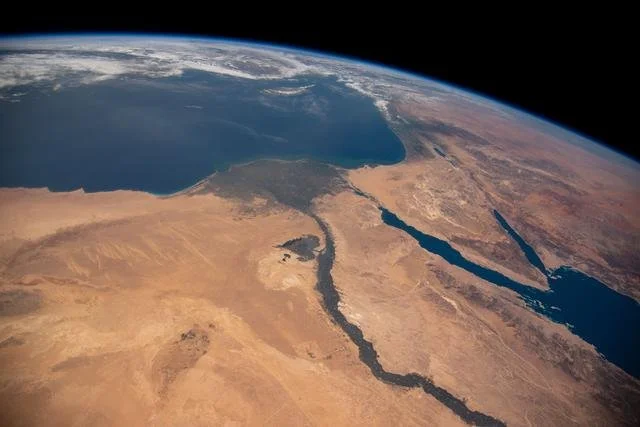
Enmities in the Middle East
For 47 years, since the overthrow of the Western-installed Shah of Iran by Shi’a Islamists, Iranian civilians and leaders alike have taunted the US. Since 1979, each US administration has ignored the rhetoric and focussed on diplomacy to effect containment of Iran, including its clear ambitions to develop nuclear weapons and long-range delivery systems. That restraint is over. Outright war has again broken out in the Middle East, involving the US at the behest of and in collaboration with Israel. What will be the consequences next month, next year and in ensuing decades?

Preparedness
How prepared is the UK to defend itself against aggressive or disruptive actions of potentially malign actors? And who needs to be prepared? And for what? Military preparedness is only one peice of the puzzle. Is that piece effective? What are the other pieces?
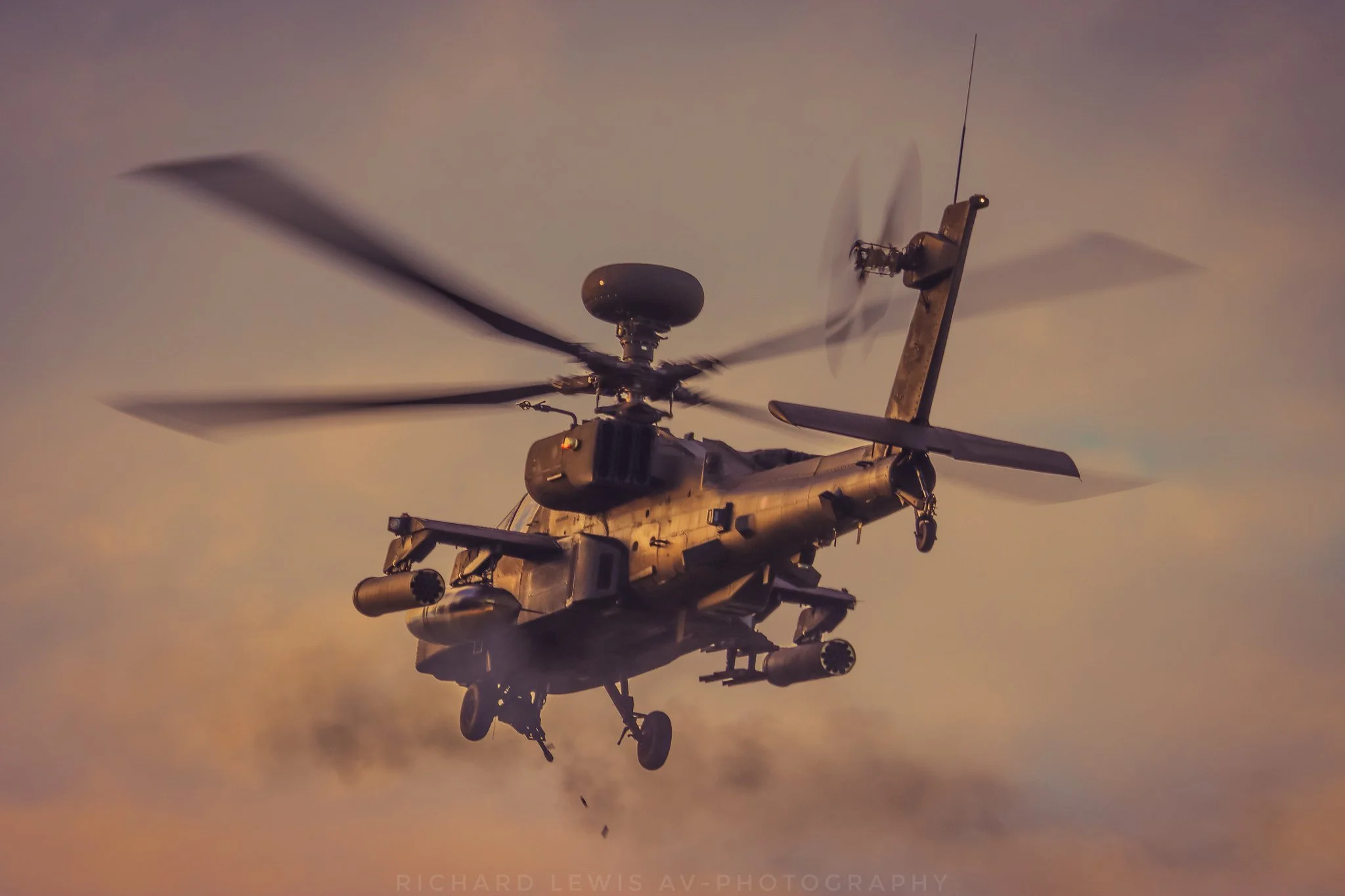
Problems in UK Armed Forces
Just as the UK is forced to question the commitment to NATO and to our common defence structures of our most powerful ally, in some areas our armed forces are degraded below a level that military planners deem to be adequate. How do we change that? Is it simply by spending more or hiring more people?
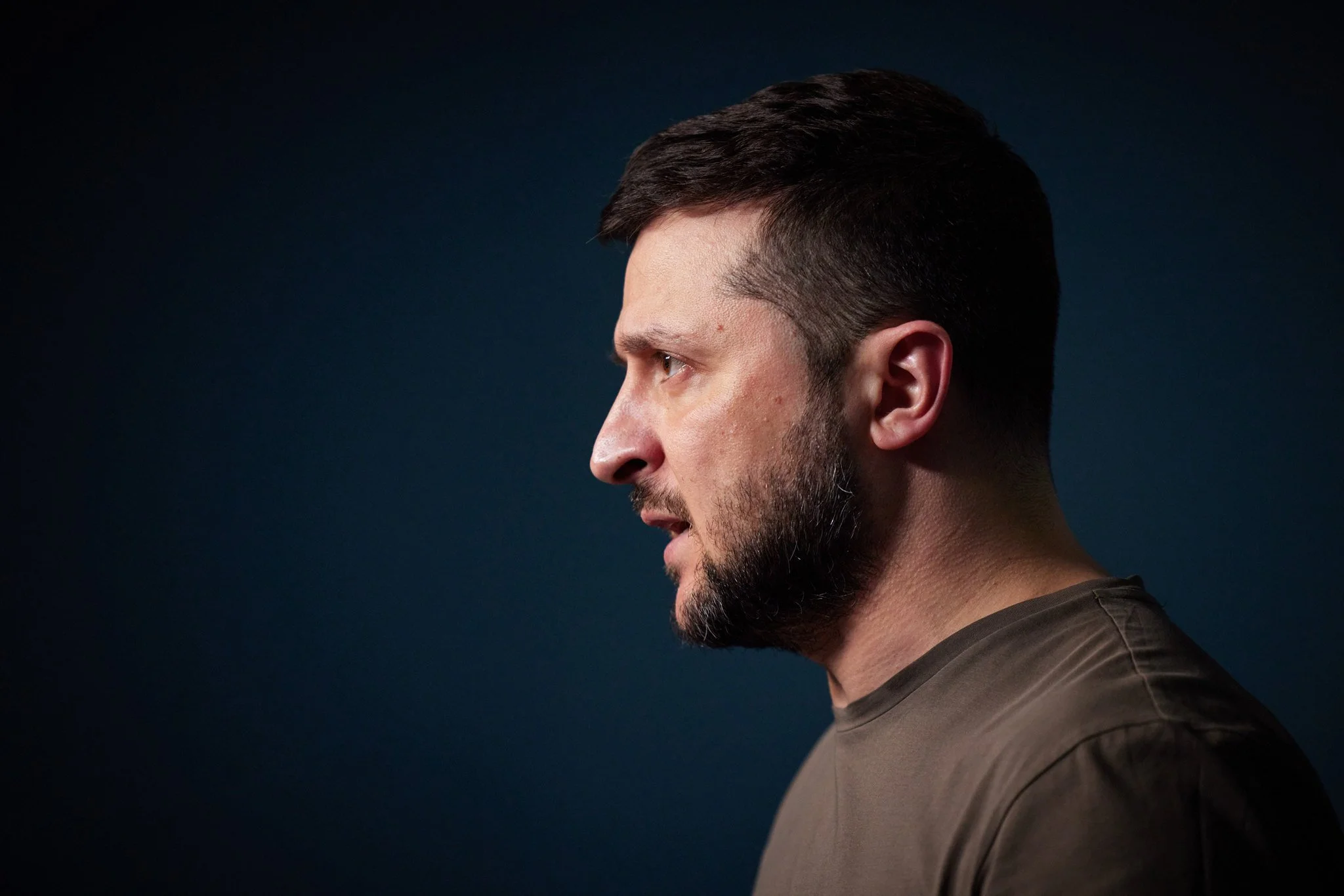
The Russia-Ukraine conflict
Many believed major land wars in Europe were a thing of the past. Not so, as the conflict in the Balkans demonstrated. However, an even more dangerous and potentially de-stabilising war is raging in Eastern Ukraine and threatens to spill over in to other territories. WIth NATO being undermined from within, what role should Britain play in Europe’s response to Russian aggression. In that conflict, what are Britain’s real national interests?
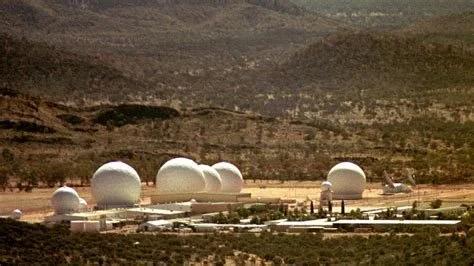
What you lookin’ at, five eyes?
The ‘Five-Eyes’ intelligence cooperation and sharing agreement dates from the second world war and forms the basis of the world’s most comprehensive intelligence network. However, not all partners are as clearly aligned as they were in the 1940s; their interests and their capaibilities vary greatly. With military priorities changing, is the alliance still robust? And is it still effective?
Buying stuff badly
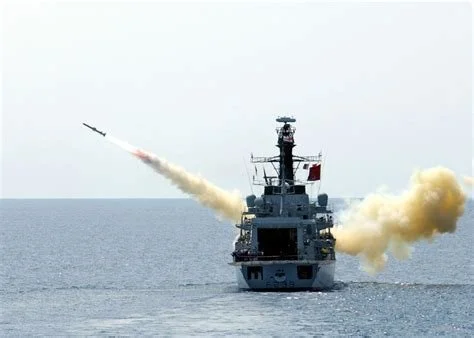
Defence procurement in the UK does not have a good record. The MoD is working assiduously to fix the problems. But they are deep-seated and relate not only to defence force structure but also to the way in which the military works with both defence suppliers and kit-users in each of the forces. Will the current reforms do the trick?