

Constitutional conundrums
Constitutionally, in the seventeenth century, the UK led the world.
Today, constitutionally, the UK is a bugger’s muddle, replete with half-finished reforms and seemingly endless ambiguities.
And then there’s the Scottish question. And the Northern Irish question. And the Welsh question. And the West Lothian question.
They may not be urgent, but they are important. And they stir profound passions about and within the Union.

Does the UK need a written constitution?
If so, how urgently?
The UK has a constitutional settlement. It does not have a written constitution. It is a messy set of laws, judgments, conventions and assumptions that are unclear, not collated and subject to varying and various interpretations. Do we need a new, comprehensive contitutional text?
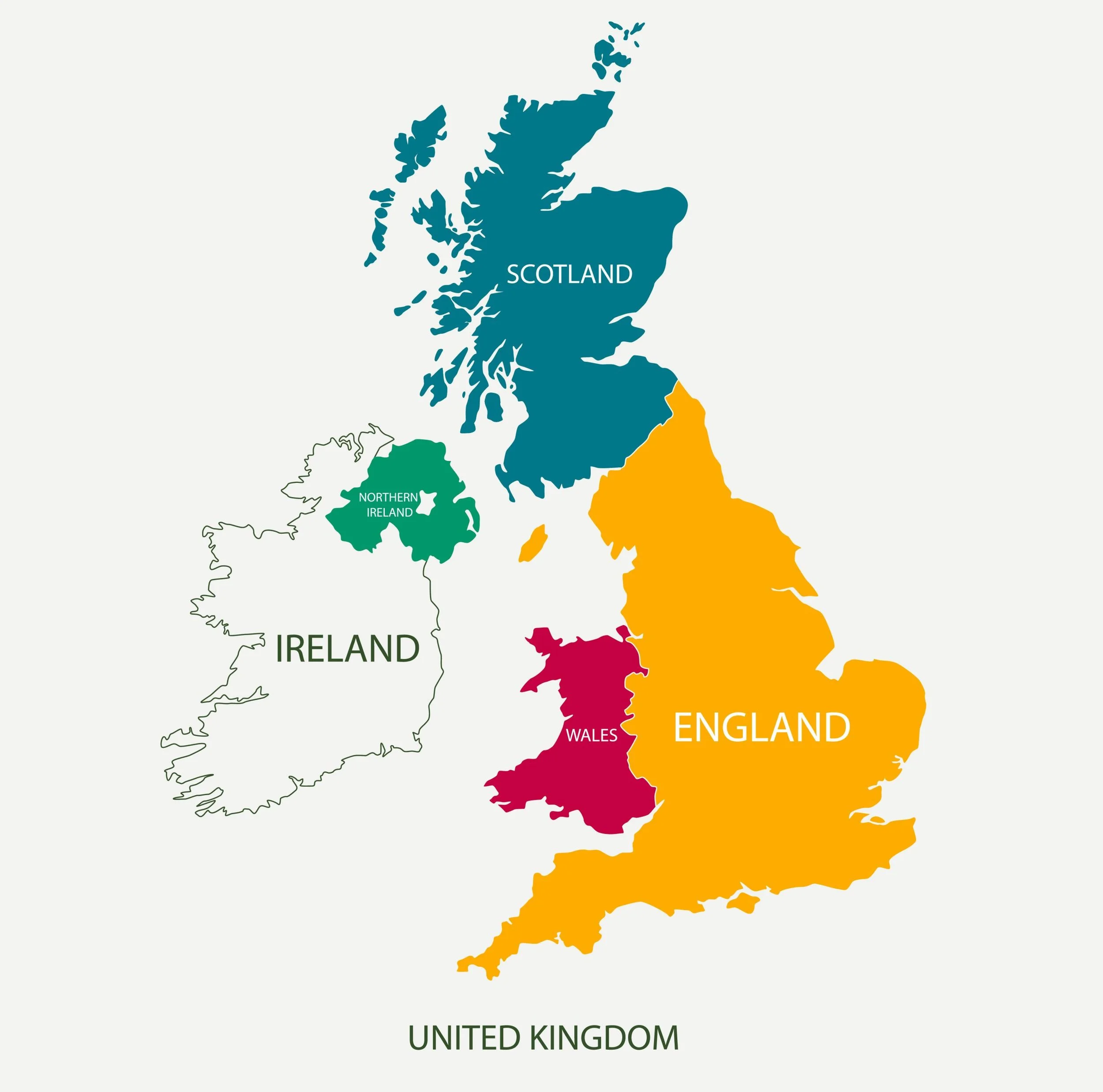
Devolved powers? Maybe.
Un-evolved, certainly!
The devolution of powers to the constituent nations of the UK and within England are inconsistent, piecemeal and the status is unassured, creating both electoral and governmental uncertainties. The result pleases noone. Authority to tax remains with the UK government, which resides in England which holds 70 percent of the seats in the Westminster Parliament. All non-unitary states experience competition for power and authority between states and federal authorities. Atidy-up is long overdue.
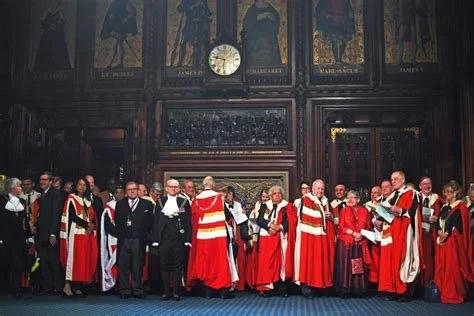
House of Lords Reform:
The worst of both worlds
In the modern era, the House of Lords is an aberration, if not an anachronistic abomination. Its present membership results from a messy series of successive compromises, with political appointment and the ennoblement that goes with it involving the worst combination of anachronistic vestiges of class privilege and political cronyism. Even its role is unclear and a sop to historical interests. It is one of the last hold-ons to the medieval notions of the three estates of Crown, Church and nobility and commoners (as the name of the elected chamber still reflects). There is merit in a second chamber with a clear role, but that role requires significant clarification and its constitution significant overhal.
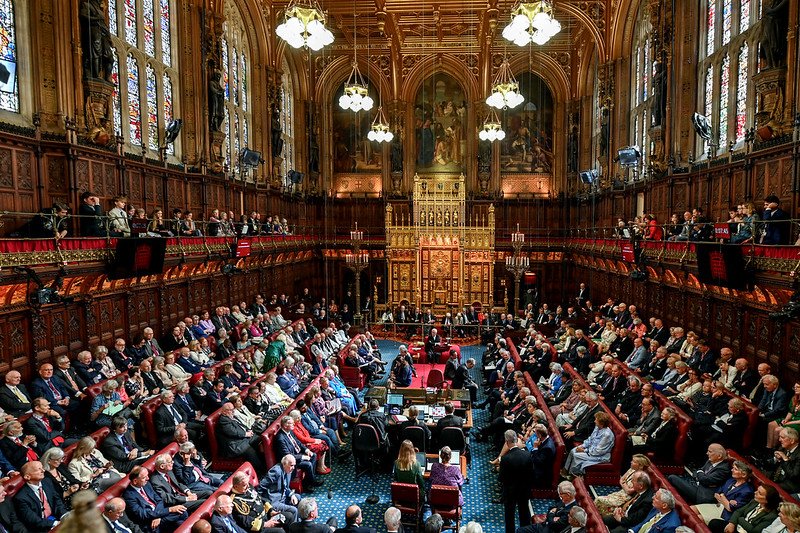
Does the UK need a second chamber?
And if so, for what purpose?
In the democratic West, a second chamber is the norm. Only the Scandanavian states, Baltic republics, Portugal, New Zealand and Israel have uni-cameral legislatures.
The purpose of second chambers varies, as does their procedures for selection of members of the chamber. What is the purpose of the UK’s unelected chamber? Essentially, if scrutinises legislation proposed in the House of Commons. It can delay, propose amendments and refer draft legislation back to the elected chamber. Delay can be up to a year. The upper House does not vote on supply or confidence.
Essentially, in an age of increasing complexity and greatly increased oversight, the UK HOuse of Lords is a significantly wasted opportunity. Surely, we can to better.
Electoral reform: necessary but not imperative
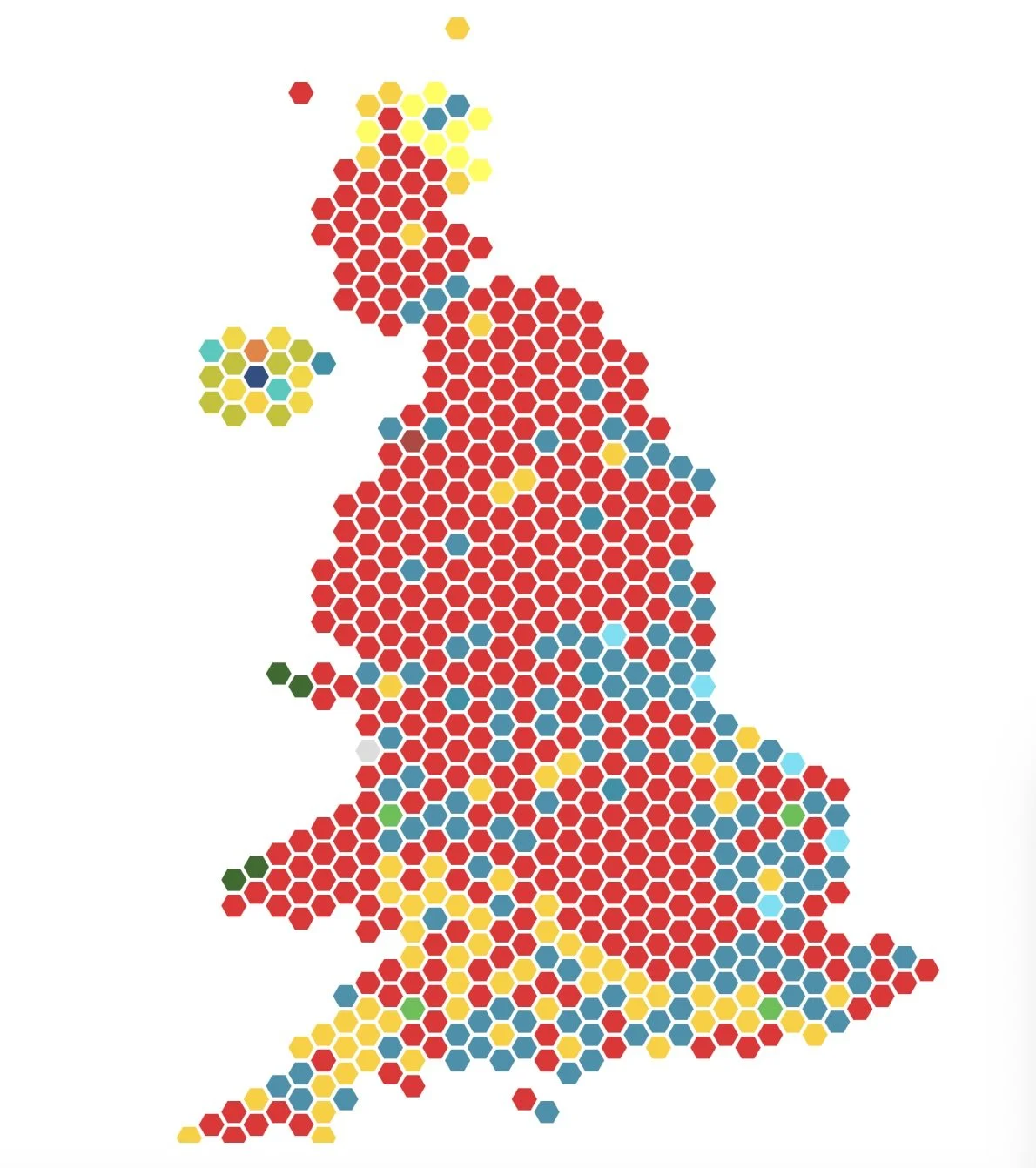
The traditional first-past-the-post system or simple electoral pluralism has several benefits: it produces clear winners and minimises post-election trade-offs to achieve the formation of a government. However, it also can and does result in governments being elected that did not win the overall vote on sheer numbers (as has occurred recently in the US) and results in the electoral preferences of a significant number of voters receiving no direct representation in Parliament.
In contrast, the various forms of proportional representation improve significantly the representativeness of a legislature. The dilemma is they may not produce a stable government (Italy being the prime regional example of governmental turnover) and there is no evidence that PR systems produce better, more effective, more decisive or less self-interested government.
The UK electoral system needs reform; just not urgently.