

But is it art?
What is art? What is it for?
How good is it and who judges?
What is culture?
Whose culture?
And for whom? And who pays?
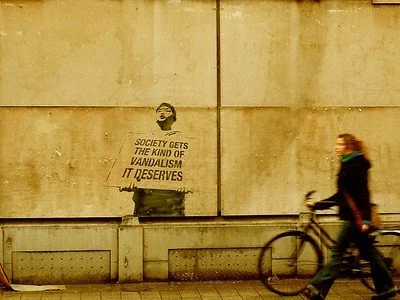
But is it art?
Just as beauty is in the eye of the beholder, so too art; appreciation of art is aesthetic. One person’s art is another person’s graffiti. One person’s art is another person’s vandalism. Who gets to choose which is which? Is it a question of artist’s intent?
But is it culture?
Culture is a fraught concept. If art is tricky, culture is trickier. But one concept is widely acceptable: that knowledge of, familiarity with and appreciation of culture is assortative. The more you are exposed, the more you will appreciate it. However, it also serves another sorting function: that of assortative exclusion — the acceptance or otherwise based on familiarity with culture. From this meaning derives the ‘culture snob’ characterisation, associated with pretension, affectation and condescension.
‘High’ culture is considered worthy; ‘street’ culture less so. Why? The answer is one of learning and self-discipline. These are attributes that are certainly worthy.
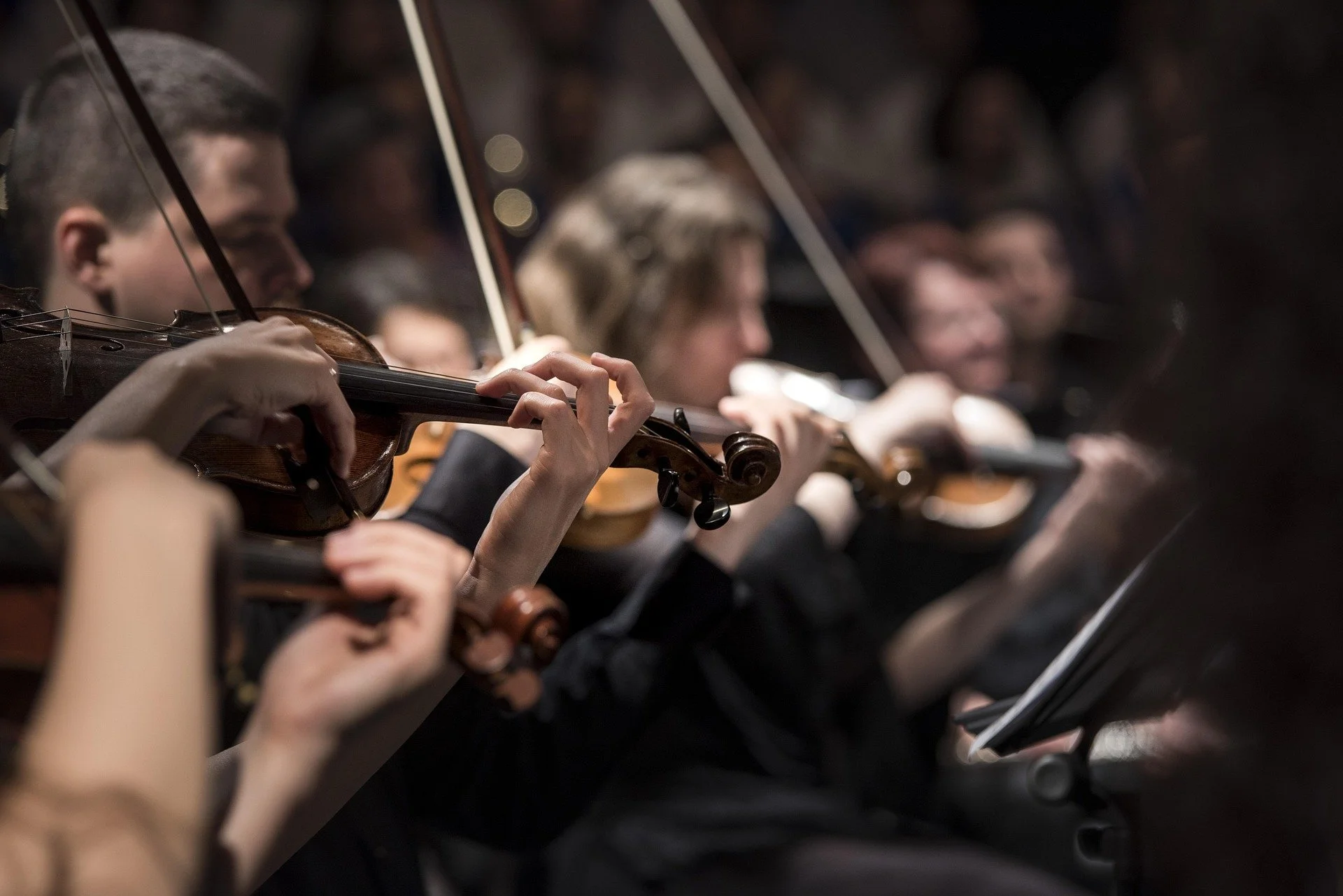
Bach rocks
Discussing communicating with alien intelligence in an essay in 1974, US biologist and oncologist Lewis Thomas famously wrote:
❝ Perhaps the safest thing to do at the outset, if technology permits, is to send music. This language may be the best we have for explaining what we are like to others in space, with least ambiguity.I would vote for Bach, all of Bach, streamed out into space, over and over again. We would be bragging, of course, but it is surely excusable for us to put the best possible face on at the beginning of such an acquaintance. ❞
Appreciating the music of Bach and other great classical composers requires an effort initially, unless introduced to it early in life. But it is an effort that is richly and endlessly rewarding.
What does that mean for teaching children about music?

What are we without art?
For those who appreciate art, exposure to art is an experience without which the value and enjoyment of life would be materially degraded. Expression through art — through song and music, through drawing and through movement is all-but universal. Increasingly, educational curricula have acknowledged this. But, simultaneously, we deride those who take art or other cultural forms seriously. Marvel movies (as perhaps an unfair counter-example) are easier.
Without art and culture, our lives would be lessened. Those who are aware of this — bluntly, those who have been exposed to opportunities for aesthetic appreciation — live, an aesthetic sense, richer lives. That richness is not exclusive, nor is rivalous; one’s person’s appreciation does not diminish another’s except through pretensions to social exclusivity.
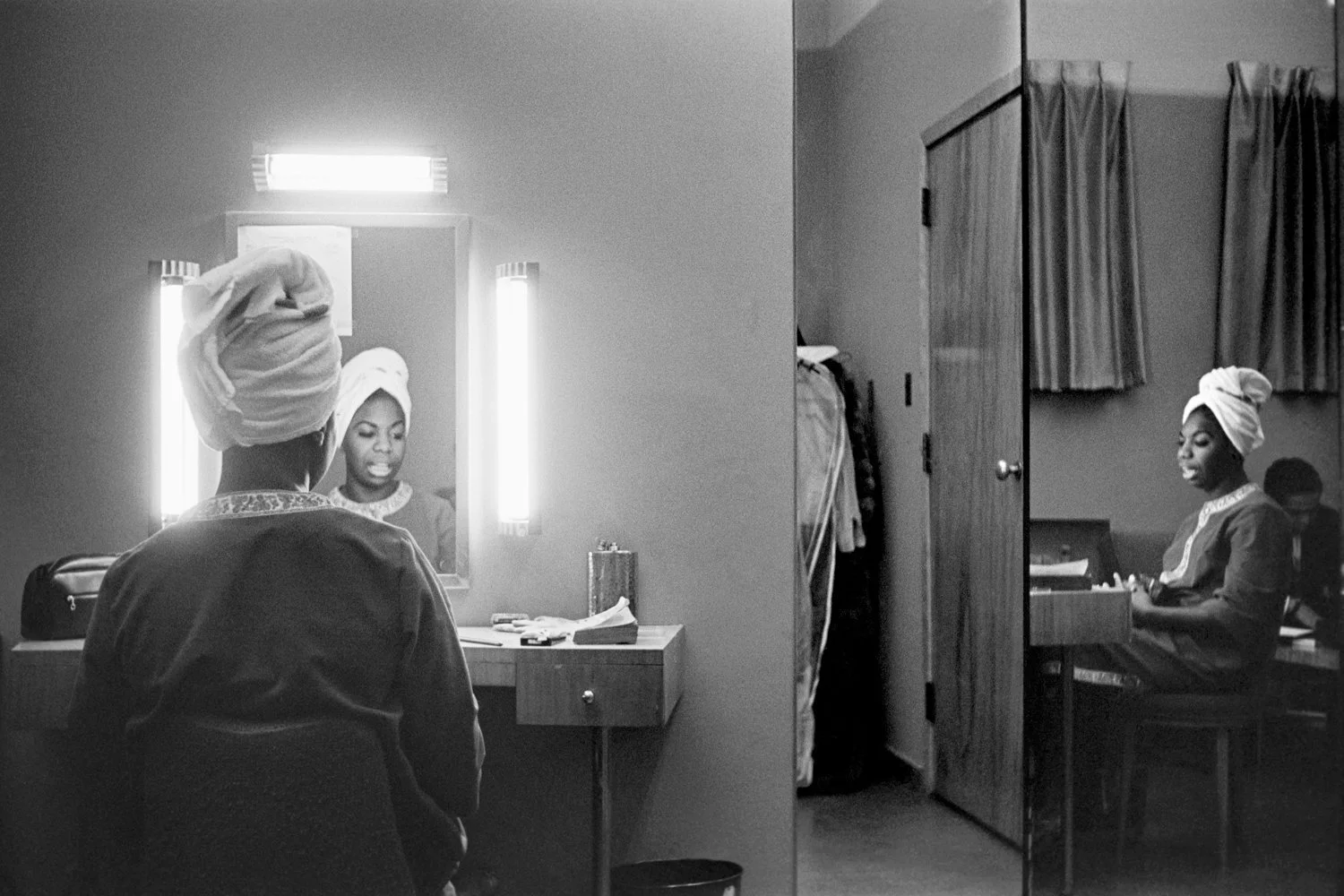
Does everybody get the blues?
Do they? Does everybody ‘get’ jazz? or Brahms? No, not at first. There are huge global audiences for packaged pop, but the joys one experiences from the hightly commercialised music genres is epheneral compared to the satisfaction of understanding richly textured and meaningful soulful expression of a Billie Holliday or a Miles Davis or a Nina Simone (pictured) or Brahms captivating Ein Deutsches Requiem. Everybody has their favourites, but anybody who understands the language of music can and will appreciate all of these artists and genres, except by conscious exclusion. What does this tell us about ourselves and human beings?

Understanding art
European art and its history requires a certain knowledge to understand. Prior to the Enlightenment, most art was devotional our laudatory. Understanding the patterns of devotion, just as much as the technique of bruch strokes, is essential to understanding the evolution of European art at least up to the latter parts of th seventeenth century. Great art like great music requires a level of investment and expsoure to understand. Public art galleries are essential not merely to preserve pictures but to illustrate the story of our discovery, through art, of the aesthetics of being human.
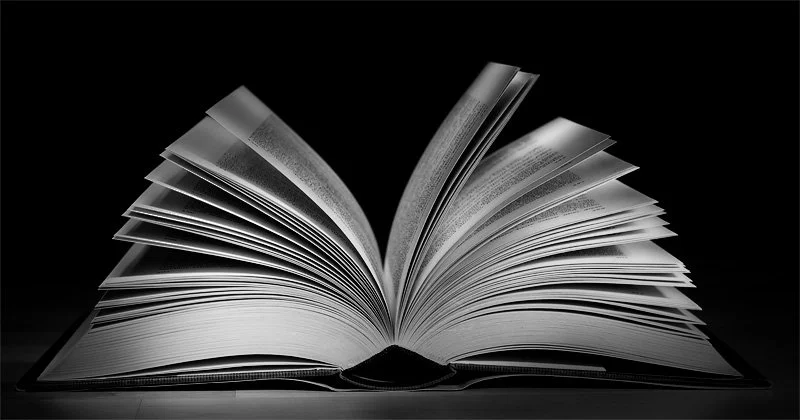
Is literature passé?
Not everyone who uses the phrase ‘Catch-22’ has marvelled over the fragmentive angst of Yossarian. Not everybody who quips ‘Et tu, Brutus?’ has also read or watched as the lesser figures of Cassius and Brutus tuen against their general. Not everyone who wonders if the centre will hold has been left awe-struck by the vivid anti-war metaphors of Yeats. Not everyone who recommends no to ask for whom the bell tolls saw the loss of a piece of Europe or even all of it in 2016 as an allegory on their own mortality.
Reading well and reading widely is a form of adventure that is increasingly denied to the young, displaced by screen-time and Super Mario Bros. The poetic allure of Lewis Carroll (revealing the imaginative genius of the Oxford mathematician, the Rev. Clarles Dodgson), or the high adventure of Edmond Dantès or the compelling evil of the eye or Mordor are lost to so many of our youth, replaced by Johnny Depp or Jim Cavaziel or the depictive genius of Peter Jackson and Fran Walsh.
We will all lose something when these great works of literature no longer help to mould the imagination of our youth.
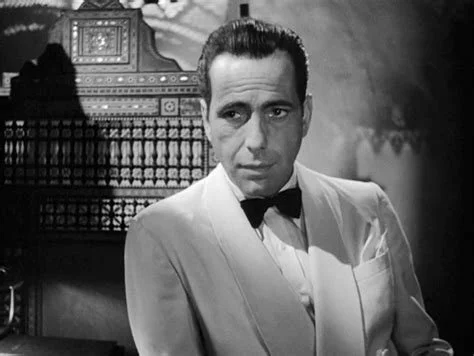
Quelle nouvelle vague? Cinema as art
Watching the face of my then-young son as he watched Peter O’Toole take 4 minutes to emerge on foot from the shimmering desert in David Lean’s masterpiece Lawrence of Arabia, I knew I had a cinephile in the making. And so it has proved to be. Contemprary cinema is dominsted by big-budget super-hero fraschises that rely on CGI far more than expressive acting or meticulously-staged camera shots.
Of course, there are latter-day Rick Blaines to appease those seeking. more intellectually fulfilling cinema experience. However, the question arises: how long will it take for studios and production houses to tire of the mega-universe blockbusters? The anwer is about as long as it will take cinema-ticket-buying audiences — whihc is likely to be quite a while. There are new David Leans and new Segio Leones, just there will be new Spike Lees and Quentin Tarintinos.
Cinema is alive and well, even as it is being challenged for audience attention by cinema-style production of serials for TV currently beloved of TV audiences, especially in binge mode.
But is it art?
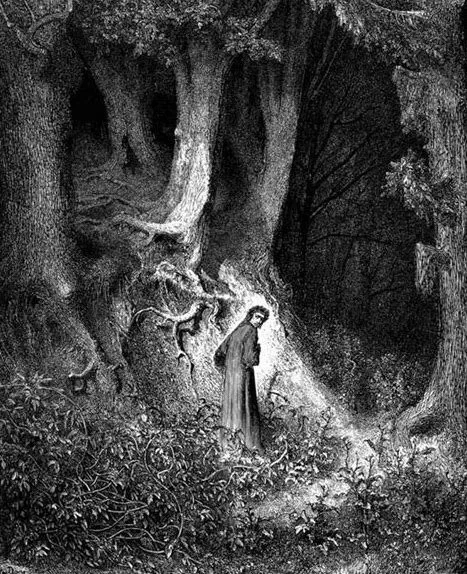
Recognising ourselves in the humanities
Midway upon the journey of our life
I found myself within a forest dark,
For the straightforward pathway had been lost.
It is impossible even to type those words without a frisson of excitement at the coming quest to find Beatrice, arguably the greatest in all human literature, surpassing even the return of Odysseus from the Trojan Wars.
In Inferno and the other books of the Divine Comedy as in other great adventures, be they by Homer or Dumas or Saint-Exupery or Tolkien or Mark Twain or Arthur C. Clarke, talk to us about ourselves.
So to, and far more directly, do Albert Camus, Sartre, Schiller, Hermann Hesse, Goethe, Ibsen, Conrad and Beckett.
All these authors and many more teach us to reflect on their characters, their protagonists and their trials and in relfecting on them, reflect on what they mean for us and what we mean to each other.
Simply, we can find ourselves in reading of these characters, be it Danté with Virgil or Marlow encountering Kurtz or the contemplative Josef Knecht, or Ibsen’s Dr Thomas Stockmann. Of course we can also ask ourselves hard questions in the form of Dario Fo’s (hilarious) Maniac or Brecht’s Caucasian Chalk Circle.
By entering another world, we can learn more about our own and ourselves in the process.
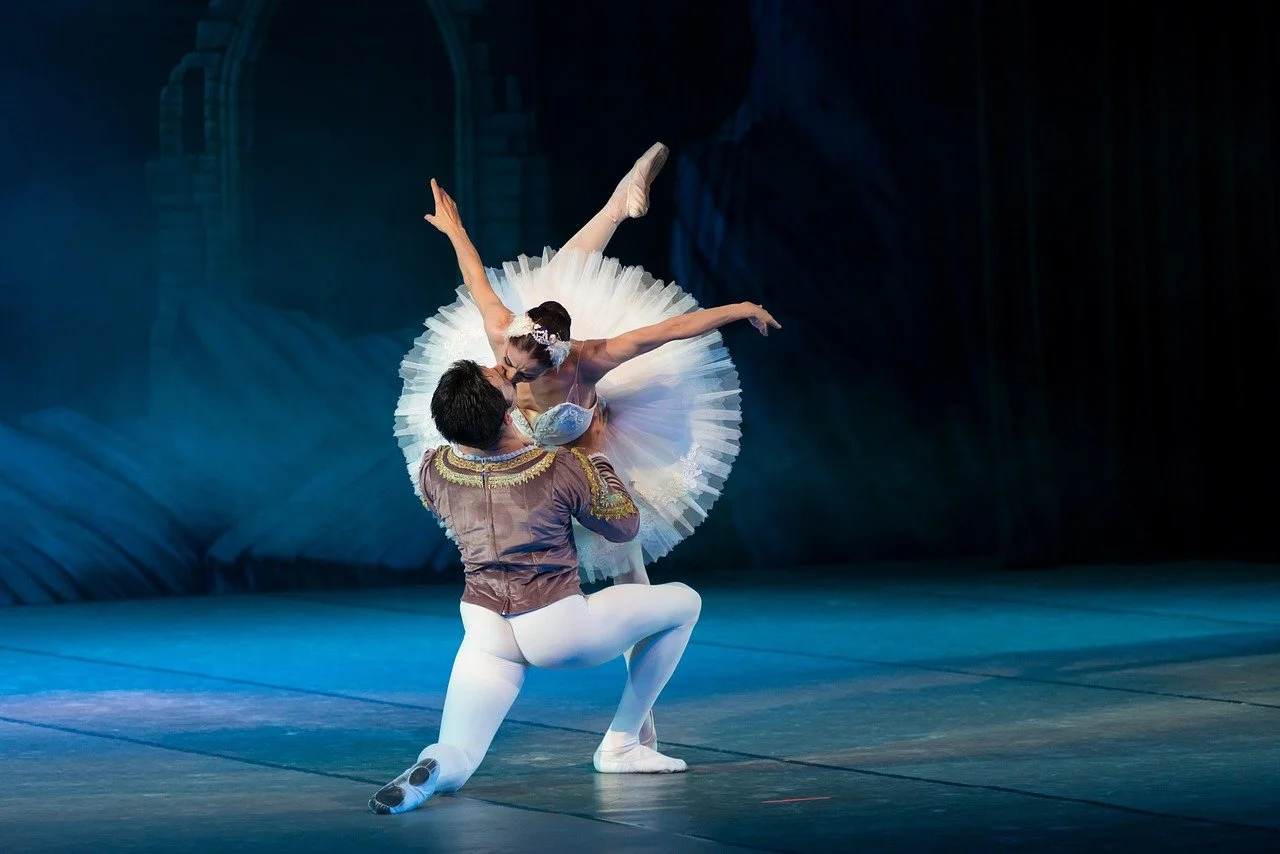
Funding the arts: who decides?
Some arts stand on their own feet financially while others do not. Should that be the basis of judging their value or their importance?
Each year, the Uk taxpayer funds artistic endeavour and artistic production to the tune of billions of pounds; almost six billion in the last financial year. Almost half of that went to the BBC, which is nominally funded directly through the TV licence fee. Every few years, the licence fee comes up for renewal.
There is much that the BBC does that is laudable. It’s radio news service is arguably the best in the business. However, its TV news is not. It commissions many original productions, but so, now, do other networks. Where once the BBC was an essential service, in many areas it now simply competes along with other providers of entertainment. Their is little or no net public benefit from this provision; indeed, it risks crowding out private competitors.

The eye and ear of the beholder
Rap, or rap music as it is sometimes misleadingly described, has a vast global audience. It is widely regarded as the ‘music of defiance’ or of the oppressed. Some view it as a form of free-form rhyme glorifying criminality, drug use and violence, encouraging misogyny and promoting the perpetuation of psychological enslavement and pathologies of poverty. Other see it as representing the Hobbesian life they observe in their ‘hoods, forced upon them by the iniquities of modern life, educational under-attainment, drug-fuelled escapism and gang rivalry.
Of course, all these, although apparently partially contradictory, may be true. Like appreciation of the ‘art form’ itself, both beauty and reality may lie in the eye of the beholder.
The enormous popularity of rap music may also speak to the complete lack of recognition of the arts and of exposure to musical form as an essential element of any worthwhile education. Teaching people to appreciate art and artistic expression in its various guises will often be as important and more relevant to the lives people lead than the chemical structures of amino acids or laws of thermododynamics. No area of knowledge is without value and we should stop presuming that there are entire fields of the humanities that are irrelevant.
Whose LP? Whose IP? Art & intellectual property
The world of intellectual property is in turmoil with, so far, big tech winning and creative artists losing. The expectation that the input functions of algorithmic learning should be fed with any available of material, which it can then imitate with no compensation to the creative developers of that material represents an appropriation of value that is unwarranted as it is unforgivable. One might argue that public speeches, public records, court judgments and the intellectual property of the deceased may be made available to AI learning functions and to feed large language models. But, where copyright remains operative and enforceable, the use of copyrighted material as AI input is a clear violation of rights of ownership.
It remains a mystery why this rather obvious point has not been acknowledged by courts and legislators. Timidity in the face of an all-powerful technological modernity is not what we expect from those who role is to adjudicate the difficult arguments and conflicting positions of the day. But this issue is simpler than that. If you do not own the rights to replicate creative work endlessly, it does not belong in AI.
Why is this even a source of debate?
The situation is so ludicrous that you can use AI populated with a copyrighted work to answer a question that you cannot answer without reference directly to the copyrighted work.
We need far greater thought and insight on who owns what and what that means before bowing down to technology.